
Timonius wallichianus
Timonius wallichianus
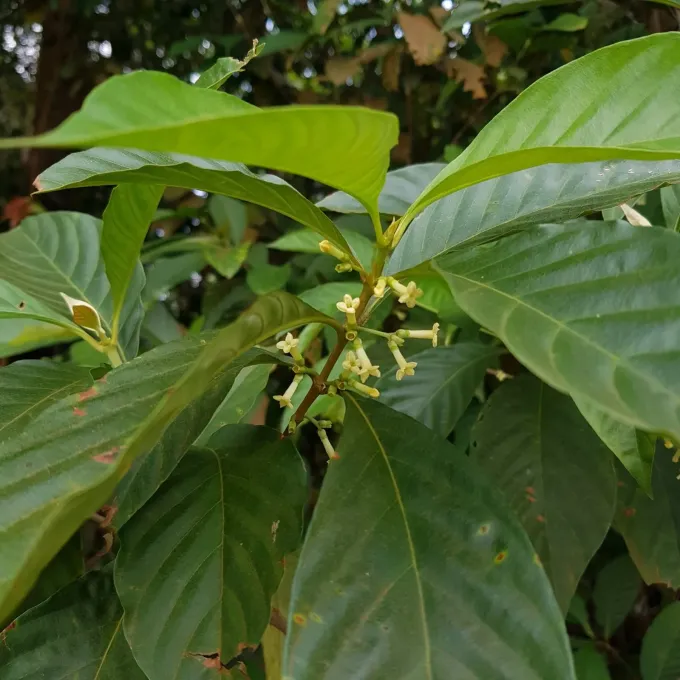
Description
Growing requirements
Timonius wallichianus belongs to the Rubiaceae family, a diverse group of flowering plants. This species is native to the tropical rainforests of Southeast Asia, thriving in regions characterized by high humidity and significant annual rainfall.
The plant requires deep, fertile soil enriched with leaf litter and organic matter. As an understory or sub-canopy species in its natural habitat, it demonstrates an evolutionary adaptation to diffuse light, which is crucial for its development during the seedling stage.
Botanical identification is based on its evergreen foliage and specific floral structures typical of the genus Timonius. The leaves are usually simple and decussate, providing a dense canopy that contributes to the microclimate of the rainforest floor.
Cultivation of this species is largely limited to forestry restoration projects in its native range. It is not a commercial agricultural crop in the traditional sense, but it serves an important ecological role in maintaining biodiversity and soil stability in tropical landscapes.
Management practices involve preserving the natural shade levels and soil moisture content. Because it is highly sensitive to environmental degradation, sustainable harvesting or management of stands is vital to ensure the survival of the species in the wild.