
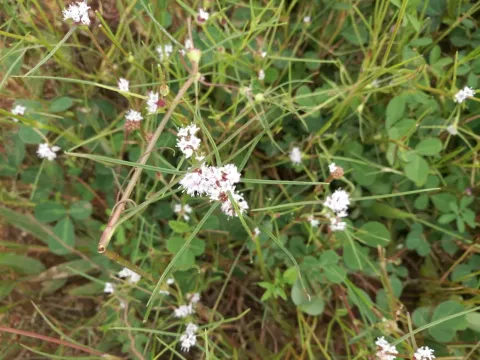
Spermacoce filifolia
Spermacoce filifolia
Spermacoce filifolia is a member of the Rubiaceae family, specifically adapted to tropical climates. This species is recognized for its slender foliage and robust, deep-reaching root system, which allows it to thrive in nutrient-poor environments.
What the section contains
Spermacoce filifolia
The plant originates from the South American continent, primarily inhabiting sandy and rocky soil types. Its distribution is naturally concentrated in areas with distinct wet and dry seasons, allowing the species to develop specific physiological drought resistance.
Regarding climate, the plant requires high solar exposure to maintain metabolic rates. Temperatures should remain within a consistent tropical range, as the species is highly sensitive to cold, which restricts its cultivation to warmer geographical zones.
Soil management for this crop focuses on providing exceptional drainage. While the plant can withstand low-fertility soils, it does not tolerate compaction. Incorporating organic matter during the land preparation stage is advisable to improve soil structure without inducing waterlogging.
Agricultural use of Spermacoce filifolia is primarily oriented towards ecological restoration and landscape conservation. Due to its hardiness, it serves as an excellent candidate for stabilizing soil surfaces on vulnerable plots.
Root rot, primarily caused by fungal pathogens in damp conditions, is the most significant disease threat to Spermacoce filifolia. Excessive soil moisture triggers the proliferation of these pathogens, leading to rapid deterioration of the root structure.
In terms of insect pests, aphids and spider mites are known to infest the plant, particularly in periods of low rainfall. These pests drain nutrients from the leaves, causing chlorosis and potentially stunting the overall growth of the crop.
Effective pest management requires regular scouting of the field to detect early signs of infestation. Implementing a crop rotation strategy is highly recommended to break the life cycles of soil-borne pathogens and pests common to the Rubiaceae family.
Chemical control measures should be applied judiciously, favoring selective products that protect beneficial insects. Biological control agents, such as predatory mites, have shown promise in managing pest populations in controlled settings.
Cultural practices, such as maintaining optimal row spacing and ensuring proper weed management, are the most effective ways to reduce disease incidence. Clean cultivation ensures that the plant has enough space for proper ventilation, minimizing the risk of fungal outbreaks.