
Spermacoce ocymifolia
Spermacoce ocymifolia
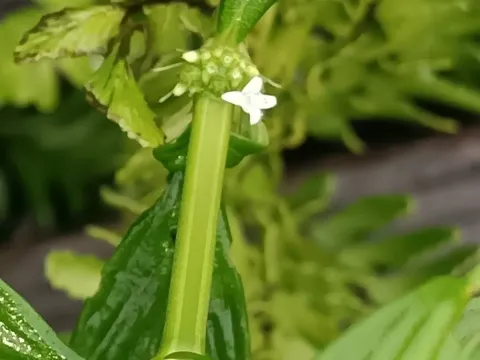
Spermacoce ocymifolia is an herbaceous perennial belonging to the Rubiaceae family. The plant is recognized for its branched stems and small, white or pale flowers, which are typical characteristics of the genus Spermacoce found throughout tropical regions globally.
What the section contains
Spermacoce ocymifolia
Originating from the tropical zones of South America and the Caribbean, the plant thrives in diverse environments ranging from disturbed forest margins to open grassland. It has established itself as a robust species capable of colonizing various soil types including sandy, loamy, and clay-rich substrates.
Climate requirements for optimal growth involve temperatures consistently above 22 degrees Celsius. Being a tropical species, it does not possess natural frost resistance, limiting its outdoor agricultural cultivation to tropical and subtropical climate zones.
Soil management for this crop focuses on maintaining good permeability to prevent root rot. While the plant can tolerate poor soil nutrients, supplemental fertilization significantly enhances its biomass production, which is important for its use as a cover crop.
Agricultural practices involve maintaining weed-free conditions during the early vegetative stage. Once established, the plant's dense growth habit helps suppress invasive weed species, providing a natural ecological service in plantation management.
The primary threats include fungal pathogens such as leaf spot and mildew, which thrive during periods of high humidity and poor ventilation. Proper spacing and row management are crucial to mitigate these risks in commercial plantings.
Common insect pests include mites and various hemipteran insects that feed on plant sap. Integrated pest management strategies, emphasizing the use of biological controls, are recommended over broad-spectrum synthetic pesticides to preserve local biodiversity.