
Posoqueria longiflora
Posoqueria longiflora
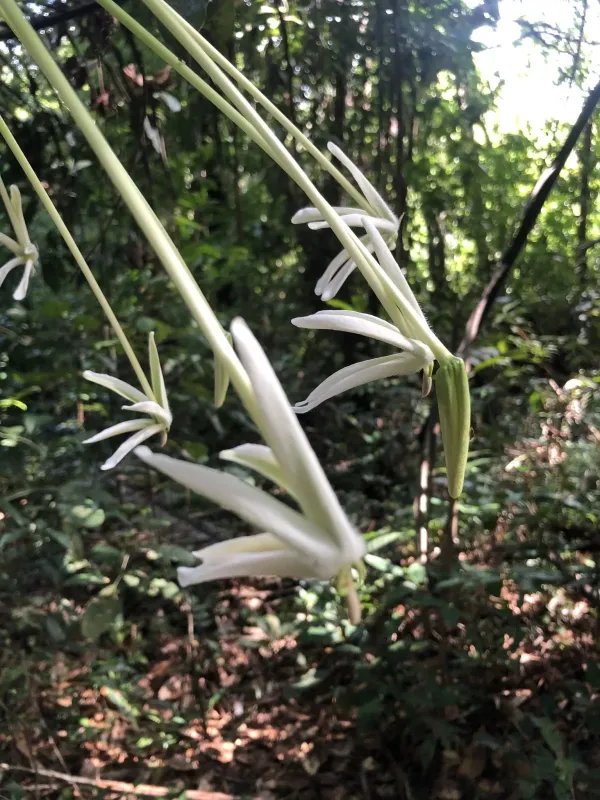
Description
Sowing dates
Propagation of Posoqueria longiflora in professional or botanical collections is primarily carried out via seeds or stem cuttings.
Seeds should be sown in a light, well-drained substrate with a high peat content, maintaining soil temperatures between 22 and 25 degrees Celsius.
Sowing must be performed in greenhouse conditions with high humidity levels, as the species is highly sensitive to desiccation during its early growth stages.
Cuttings are best taken during the spring or summer using semi-hardwood stems, treated with rooting hormones to improve successful establishment.
It is critical to provide a consistent light regime while avoiding direct sunlight, which may cause necrotic lesions on the delicate foliage of young plants.
Growing requirements
Posoqueria belongs to the Rubiaceae family and is native to the tropical rainforests of Central and South America, where it thrives in humid environments.
For optimal development, the plant requires a stable tropical climate with temperatures consistently ranging from 20 to 28 degrees Celsius throughout the year.
The crop has specific soil moisture requirements: the medium must be kept evenly moist at all times, avoiding waterlogging, which rapidly leads to root rot.
The ideal soil mix should be slightly acidic, rich in organic matter, loose, and well-aerated to facilitate adequate root respiration and growth.
This species prefers diffused lighting; it is best suited for cultivation under canopy structures or in shaded greenhouses equipped with active ventilation systems.
Main diseases and pests
Under greenhouse conditions, the primary pests affecting Posoqueria are typical tropical Rubiaceae enemies, such as spider mites and mealybugs.
Improper irrigation management and stagnant air circulation increase susceptibility to various fungal infections, often manifesting as leaf spot diseases.
Root pathogens resulting from excessive moisture and substrate acidification represent a severe threat, frequently causing rapid decline and mortality of the plants.
To prevent disease outbreaks, regular sanitary maintenance of the cultivation area and strict monitoring of moisture levels in the root zone are highly recommended.
If an infestation is detected, prompt application of systemic insecticides is necessary, ensuring precise dosage to prevent potential phytotoxic reactions.