
Posoqueria acutifolia
Posoqueria acutifolia
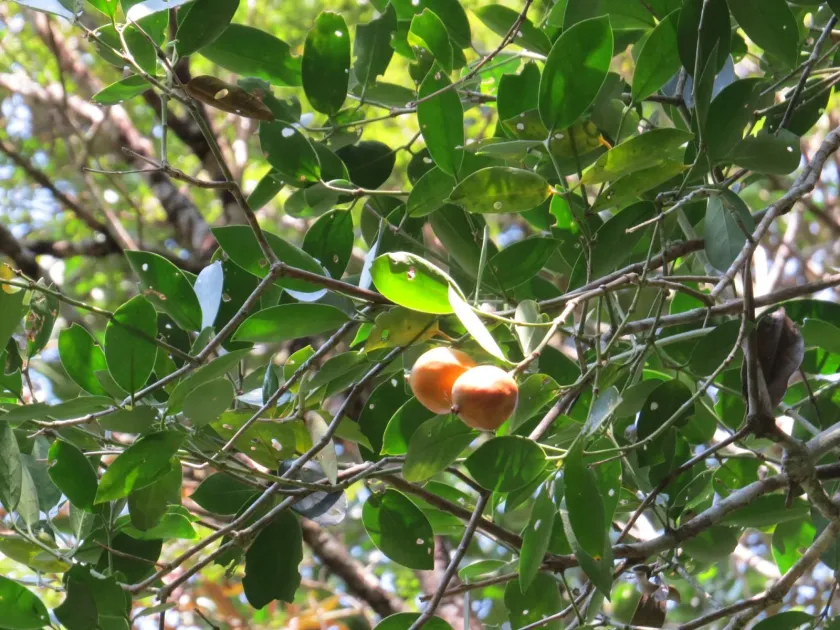
Description
Growing requirements
Posoqueria acutifolia is an evergreen woody plant belonging to the Rubiaceae family. It is recognized for its glossy, acuminate leaves and long, tubular white flowers that release a potent, sweet fragrance, particularly during the evening hours to attract pollinators.
Originating from the tropical regions of Central and South America, this plant is naturally found in the understory of humid tropical forests. It thrives in shaded environments, often developing in high-humidity habitats that mimic the moist conditions of Amazonian forest floors.
The climate requirements for this species are strictly tropical. It demands consistently warm temperatures throughout the year, as it lacks cold tolerance and can suffer irreversible physiological damage if exposed to temperatures dropping significantly below the 15-18°C range.
Successful cultivation requires a well-draining, nutrient-rich, acidic soil medium. Providing consistent moisture is essential, but it must be balanced with excellent aeration to prevent root rot, as the plant is highly sensitive to waterlogged soil conditions.
The primary utility of this culture is within the botanical, ornamental, and scientific sectors. Due to the fascinating mechanical pollination system of its flowers, where the stamens snap forward upon trigger, it serves as a valuable subject for tropical conservatories and educational research.
Main diseases and pests
The primary threats to Posoqueria acutifolia in a controlled environment include spider mites and mealybugs, which thrive in stagnant, dry air conditions. Additionally, fungal leaf spots can become a significant issue if high humidity is not paired with adequate ventilation to allow foliage to dry appropriately.