
Posoqueria latifolia
Posoqueria latifolia
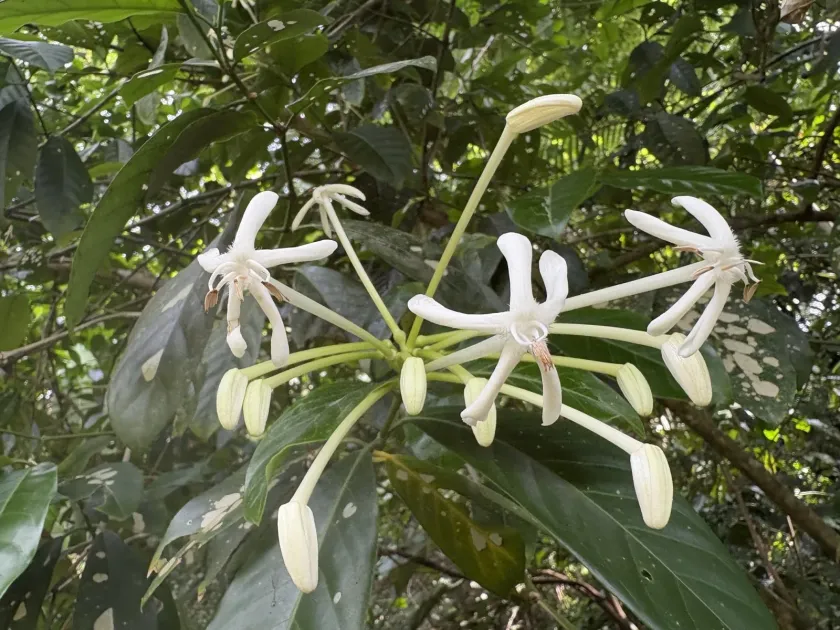
Description
Sowing dates
Propagation of Posoqueria latifolia is primarily carried out through seeds or semi-hardwood cuttings. Seeds should be sown immediately after harvest, as they have poor storability due to high moisture content and sensitive biological structure.
The optimal time for sowing is during periods of high temperature and humidity, which facilitate rapid germination. In greenhouse conditions, sowing can be performed year-round provided that temperature and moisture levels are strictly regulated.
When using cuttings, it is recommended to apply rooting hormones to the base of the stem segments before placing them in a well-aerated substrate. Maintaining a consistent soil temperature of 25-28 degrees Celsius is essential for successful root development.
Seedlings should be pricked out after the development of the second pair of true leaves. They should be transferred to individual pots containing a nutrient-rich and porous potting mix to support early growth stages.
The plant is highly sensitive to root disturbance during transplantation. Therefore, it is advisable to use biodegradable containers or the transfer method to keep the root ball intact and avoid shock.
Growing requirements
Posoqueria latifolia belongs to the Rubiaceae family and is native to the tropical rainforests of Central and South America. The plant thrives in high humidity conditions, ideally requiring relative humidity levels above 70 percent to maintain leaf health.
For optimal growth, the species requires fertile, well-drained soil with an acidic to neutral pH. Waterlogging is particularly detrimental and quickly leads to root rot, so proper drainage is non-negotiable for cultivation.
While the species appreciates bright conditions, it prefers filtered or dappled light during its juvenile stage. Mature plants can tolerate direct light if the substrate moisture levels are kept high to prevent dehydration of the foliage.
The temperature range for this plant should be maintained between 22 and 30 degrees Celsius. It is strictly a tropical species and cannot tolerate frost or prolonged cold; it must be kept in heated environments in non-tropical zones.
Fertilization should be performed during the active growing season using balanced mineral fertilizers. Supplementing with essential micronutrients ensures robust leaf development and healthy floral display.
Main diseases and pests
The primary pests affecting Posoqueria latifolia in indoor environments include spider mites and scale insects, which flourish in low-humidity conditions. Regular inspection of the foliage is crucial for early detection and mitigation.
Fungal diseases, specifically root rot, are common symptoms of overwatering or prolonged exposure to cold temperatures. Maintaining sterile growing media and a consistent watering schedule is the best preventative strategy.
Powdery mildew can affect the leaves if air circulation is inadequate or if there are sharp fluctuations in humidity levels. Ensuring proper ventilation helps to reduce the risk of pathogen colonization on the plant surface.
Aphids may occasionally target the tender new growth and developing flower buds, causing sap depletion. Biological insecticides or horticultural soap treatments are effective methods for controlling these infestations when identified early.
To preserve the health of the plant, it is necessary to remove damaged or necrotic tissues promptly, as these parts can act as focal points for fungal or bacterial infections to spread throughout the canopy.