
Oxyceros bispinosus
Oxyceros bispinosus
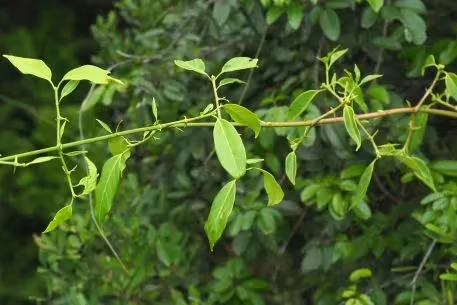
Description
Growing requirements
Oxyceros bispinosus belongs to the Rubiaceae family. It is a perennial tropical shrub known for its distinct botanical architecture and presence in the biodiversity of Southeast Asian forest ecosystems.
The plant thrives in warm, humid tropical climates. It requires consistent temperatures, preferably above 15°C, as it lacks cold hardiness and can suffer irreversible physiological damage if exposed to frost.
Soil requirements include excellent drainage and moderate fertility. The species grows best in slightly acidic to neutral soils that retain moisture without becoming waterlogged, which is crucial for root health.
Regarding light, it prefers partial shade or dappled sunlight. While it can withstand bright environments, intense direct sunlight can be detrimental to the leaf tissue, necessitating shading systems in open-field plantations.
The botanical structure is marked by its characteristic paired spines located at the leaf axils. The leaves are typically coriaceous and glossy, reflecting the plant's adaptation to high-transpiration tropical conditions.
Yield
The agricultural and economic utility of Oxyceros bispinosus is primarily centered on ornamental use and ecological restoration. Its defensive thorns make it an excellent choice for natural fencing in tropical garden designs.
Yield, in terms of biomass production, is managed through strategic pruning. Regular maintenance of the canopy encourages dense growth, which is essential for creating effective landscape barriers.
The plant enters a reproductive stage after several years of growth. While it produces small berries, it is rarely cultivated for fruit production on a large scale, though it serves a role in supporting local avian populations.
Growth optimization involves applying macronutrient-rich fertilizers during the peak growing season. Adequate nitrogen levels support the lush foliage that characterizes this species in its natural habitat.
Water management is critical. Consistent irrigation cycles combined with organic mulch application ensure the root zone remains cool and moist, which prevents physiological stress during extreme heat waves.
Main diseases and pests
Common pests include spider mites and scale insects, which frequently target the leaves and succulent stems. Integrated pest management (IPM) practices, including biological controls, are recommended to minimize chemical input.
Fungal pathogens may emerge if airflow is restricted. Monitoring for foliar spots or powdery mildew is vital, especially during periods of high humidity or poor ventilation in greenhouse settings.
Root rot is a significant risk factor if the substrate remains waterlogged. Ensuring optimal porosity of the soil mix is the primary preventative measure against soil-borne pathogens.
Physical damage to the stems during pruning can facilitate bacterial entry. It is essential to use sterilized equipment and apply wound sealants if necessary to protect the plant's structural integrity.
Overall, Oxyceros bispinosus is resilient when grown in conditions that mimic its native environment. Early detection of stress factors is the most effective way to ensure the plant's longevity and health.