
Oxyceros longiflorus
Oxyceros longiflorus
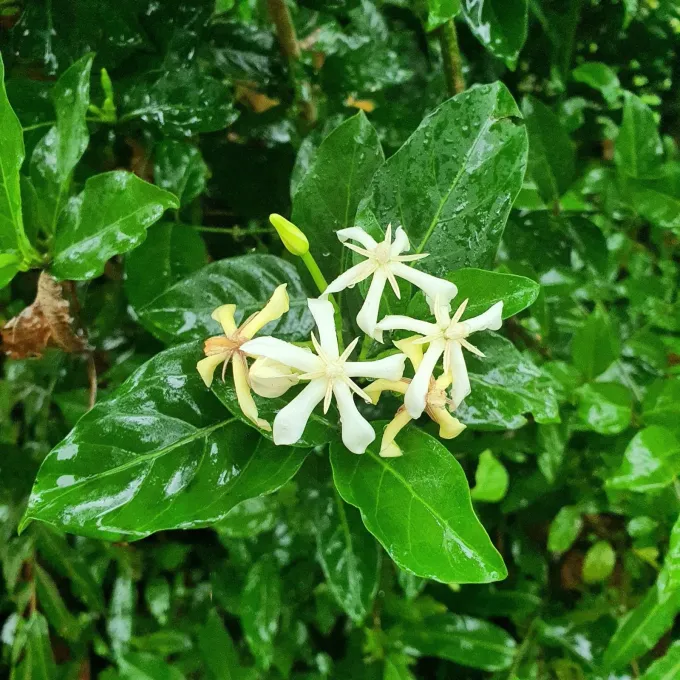
Description
Growing requirements
Oxyceros longiflorus is a woody plant species belonging to the Rubiaceae family, originating from the tropical regions of Southeast Asia.
The plant thrives in warm, humid climates and requires a consistent temperature range to maintain its biological development throughout the year.
Soil requirements involve a nutrient-rich, well-draining substrate that mimics the leaf-mold layers of tropical forest floors where the species naturally grows.
Proper agro-technique includes protecting the plant from intense, direct sunlight which can lead to leaf scorching, preferring partial shade or dappled light instead.
Adequate air circulation is necessary to support the healthy growth of the canopy and prevent moisture-related physiological disorders in the leaves.
Main diseases and pests
Common threats to Oxyceros longiflorus include fungal infections triggered by excessive soil moisture and poor drainage, which can lead to root rot.
Spider mites are identified as a primary pest that attacks the plant foliage, especially in greenhouse conditions where humidity levels are not carefully monitored.
Scale insects represent another significant threat as they feed on the sap of the plant, potentially causing stem damage and stunted overall growth.
Management strategies should focus on regular inspection of the lower leaf surfaces and the application of suitable horticultural oils if an infestation occurs.
Cultural control practices, such as removing debris around the base of the plant, play a vital role in minimizing the risk of soil-borne diseases.