
Macrocnemum tortuosum
Macrocnemum tortuosum
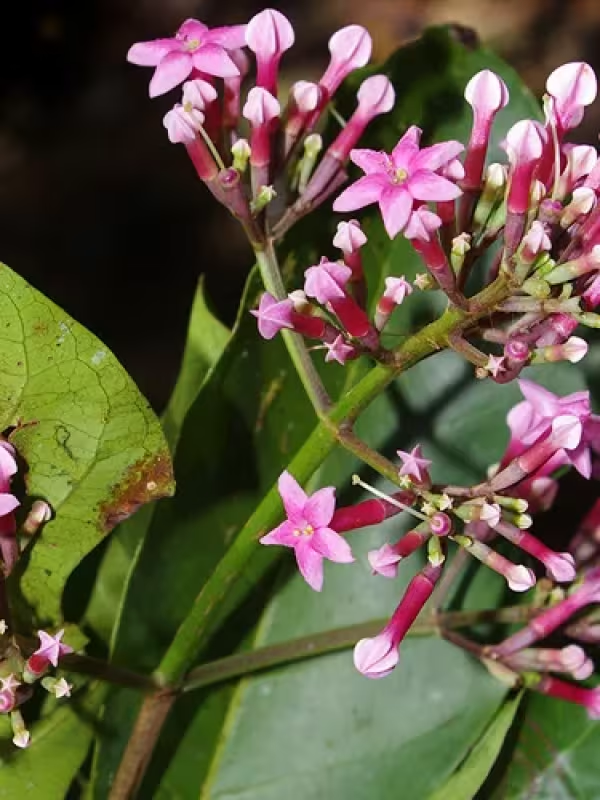
Description
Growing requirements
Macrocnemum tortuosum is an interesting woody plant belonging to the Rubiaceae family, native to the tropical forests of the Americas. In its natural habitat, it develops as a small to medium-sized tree, often found in humid forest environments where biodiversity is high.
The climate requirements are strictly tropical, necessitating consistent temperatures and high precipitation throughout the year. It does not possess any mechanisms to survive frost or significant dry seasons, making it suitable only for specific tropical agricultural zones.
Regarding soil preferences, this species thrives in deep, well-draining soils rich in organic matter. Soil pH should ideally be neutral or slightly acidic to ensure that the necessary micro-nutrients are available for the plant's metabolic processes.
Agrotechnical practices involve careful site selection where wind protection is provided, especially for younger specimens. Regular irrigation is necessary in the early years of planting, but mature trees display a degree of resilience to occasional fluctuations in water availability.
The botany of the plant is defined by its twisted growth habit, which is a structural adaptation to its forest niche. Its foliage is evergreen, and its floral structure supports specific pollinator species common in the neotropical region, highlighting its role in the ecosystem.
Yield
The economic utility of Macrocnemum tortuosum is primarily focused on forestry and ecosystem restoration projects. It is valued for its ability to integrate into mixed-forest landscapes, providing stability to the soil and habitat for local fauna.
There are no large-scale industrial data on yields, as it is not a traditional mass-production crop. However, local woodworkers value its timber for specific carpentry projects due to its density and grain patterns, though harvests are typically selective.
In terms of long-term planning, sustainable yield management involves minimal human interference until the trees reach maturity. This approach ensures the highest quality of biomass while maintaining the ecological health of the plantation site.
Integrated agroforestry systems often include this species to enhance the vertical structure of the agricultural land. This practice improves moisture retention in the soil and provides a biological barrier against erosion caused by intense tropical rain events.
Future potential for the cultivation of this species lies in its adaptability to different microclimates within its native range. Research into its growth cycles could lead to more efficient forestry practices and better conservation of its genetic resources.