
Large-leaved Luculia
Luculia grandifolia
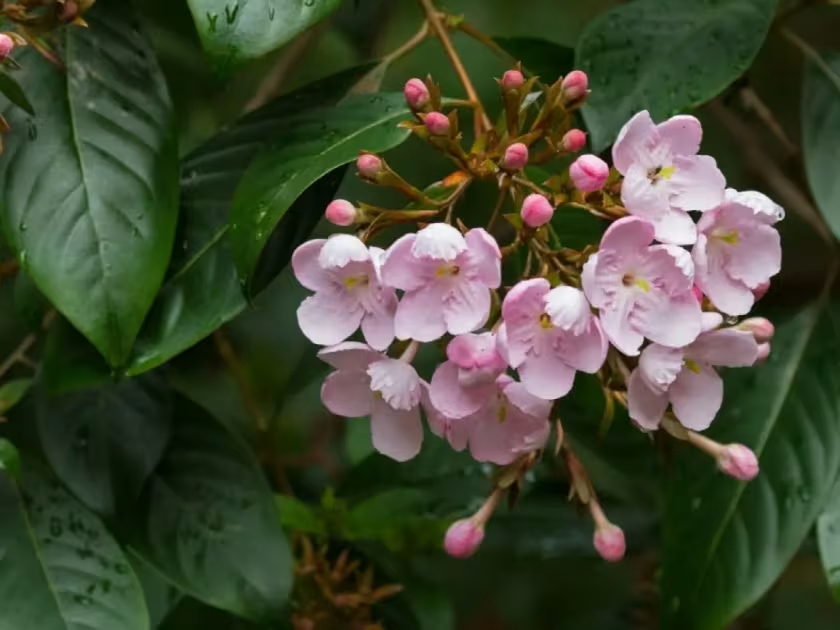
Description
Growing requirements
Luculia grandifolia, belonging to the Rubiaceae family, is an evergreen shrub characterized by its large, elliptic leaves and highly fragrant flower clusters. It is considered a specialty crop in greenhouse horticulture due to its stunning aesthetic appeal.
The plant originates from mountain regions and thrives in temperate, humid climates. It requires consistent ambient temperatures between 18°C and 25°C, with protection from frost, as it is highly sensitive to cold weather and temperature fluctuations.
Soil requirements involve a well-draining, acidic substrate rich in organic matter. A mixture of peat, perlite, and pine bark is typically used to ensure proper root aeration, which is essential to prevent asphyxiation of the root system in container cultivation.
Light levels should be high but diffused. Direct sunlight, especially in mid-afternoon, can cause leaf scorching, while inadequate light inhibits flowering. Greenhouse growers often employ shade cloths during the summer months to balance these needs.
Watering must be frequent but careful to avoid waterlogging. During the active growth stage, the soil should remain consistently moist. Nutrients should be supplied through balanced liquid fertilizers applied every two weeks to support the plant's metabolic demands.
Main diseases and pests
Spider mites are the most common pest for Luculia, particularly in low-humidity greenhouse environments. They cause stippling on the leaves and can lead to severe defoliation if left untreated for an extended period of time.
Mealybugs are another threat that thrives in the sheltered nooks of the plant's stems and leaf axils. Systematic insecticidal soaps or biological control agents are effective methods to manage populations without damaging the plant's sensitive foliage.
Root rot, typically caused by Pythium or Phytophthora species, is the most lethal condition for Luculia grandifolia. It occurs predominantly in poorly drained soil, necessitating immediate fungicide application and root zone remediation.
Fungal leaf spots can occur when ventilation is poor and leaf surfaces stay wet for too long. Improving air circulation with fans and ensuring that the foliage is dry before sunset significantly reduces the incidence of these fungal infections.
Monitoring the plant health involves daily inspections of the underside of the leaves. Maintaining a clean cultivation environment and strictly adhering to sanitation protocols are the cornerstones of preventing widespread infestations in a commercial setting.