
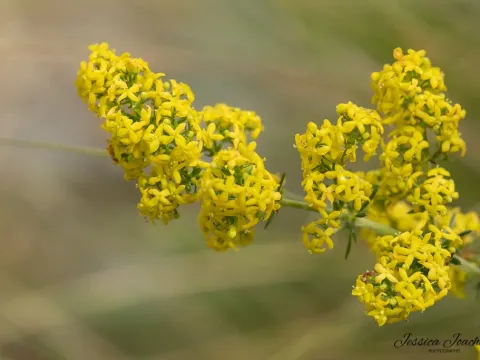
Galium obliquum
Galium obliquum
Galium obliquum, commonly known as a species of bedstraw, belongs to the Rubiaceae family. It is a perennial herbaceous plant characterized by its distinctively shaped leaves and rigid stems typical of the genus.
What the section contains
Galium obliquum
The plant thrives in well-drained soils and shows a preference for neutral to slightly alkaline pH levels. It is naturally adapted to mountain environments where soil composition is relatively light and permeable.
Climate requirements for this species include adequate exposure to sunlight and high resilience to seasonal temperature fluctuations. It typically occupies open mountain slopes and subalpine meadows.
Botanically, the plant is recognized by its oblique leaf arrangement and a complex network of rhizomes that allow it to persist in stable environments over several years.
Its economic value is primarily linked to its medicinal potential, as various extracts from the plant are studied for their chemical compounds including tannins, flavonoids, and organic acids.
The primary threats to Galium obliquum populations involve the degradation of its natural habitats through uncontrolled land use and climate change affecting high-altitude ecosystems.
Fungal diseases, including powdery mildew and rust, represent significant risks to the health of the plant, especially when humidity levels remain high for extended periods during the growing season.
Pests, such as aphids and leaf-eating beetles, can significantly damage the foliage and impede the plant's ability to undergo photosynthesis, thus reducing the overall crop yield.
Nutrient deficiency, particularly the lack of essential micronutrients in the soil, can exacerbate the plant's susceptibility to diseases and weaken its structural integrity.
Management strategies should focus on maintaining proper air circulation between plants and conducting regular health assessments to detect early signs of pest or fungal infestations.