
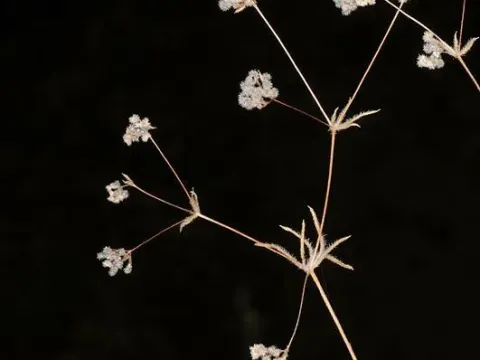
Galium philistaeum
Galium philistaeum
Galium philistaeum is a distinctive herbaceous plant belonging to the Rubiaceae family. This species is native to specific sandy and rocky habitats in the Eastern Mediterranean, where it has adapted to harsh environmental conditions over centuries of evolution.
What the section contains
Galium philistaeum
Botanically, the plant is characterized by a sprawling growth habit and slender, often slightly woody stems. Its leaves are arranged in whorls, a typical feature for the Galium genus, and the small flowers are clustered in panicles, blooming during the transition from spring to summer.
The crop thrives in well-drained, sandy soils that allow deep root penetration. It is highly resistant to drought and can tolerate high temperatures, making it a potential candidate for regions with arid climates where standard crops struggle to survive.
Regarding climatic preferences, Galium philistaeum requires abundant sunlight and low humidity levels. High moisture levels, combined with warm temperatures, create an unfavorable environment that promotes the development of various fungal diseases.
Agronomic management focuses on mimicry of its natural xerophytic conditions. Irrigation should be applied sparingly, only to maintain minimal turgor during extreme drought, while fertilization should be kept at a strictly controlled, low level to preserve plant health.
Common threats to Galium philistaeum include various leaf spot diseases caused by opportunistic fungi. These infections typically emerge during periods of unseasonable rain or when the plant is kept in poor ventilation conditions.
Pests, such as aphids and spider mites, represent a consistent challenge to the crop. These small insects settle on the undersides of leaves, extracting nutrients and causing premature leaf yellowing and eventual shedding if left uncontrolled.
Root rot is a critical threat that usually indicates poor soil drainage or excessive irrigation frequency. Once the infection reaches the root crown, the plant’s ability to transport water is compromised, often leading to rapid decline.
Competitive weeds can quickly overwhelm the relatively slow-growing Galium philistaeum. Effective weed management is essential during the establishment phase, as the plant lacks the vigor to compete for nutrients and space in the early stages.
Monitoring for signs of pest colonization and disease development is the primary strategy for maintaining healthy populations. Regular inspections help in identifying outbreaks early, allowing for targeted physical or biological interventions.