
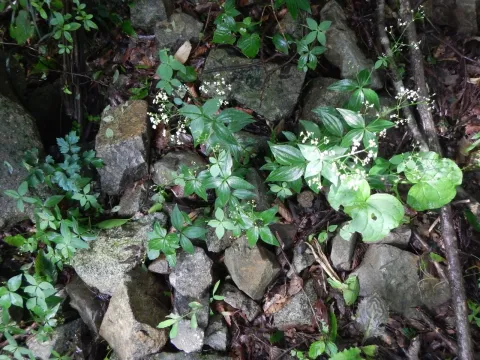
Galium kinuta
Galium kinuta
Galium kinuta is a perennial herbaceous plant belonging to the Rubiaceae family. Historically valued for its roots, which contain pigments used in natural dyeing, it remains a niche but important technical crop in specific agricultural regions.
What the section contains
Galium kinuta
Originating from East Asia, this plant thrives in temperate climates. Its biological cycle is adapted to seasonal variations, requiring a specific cold period for proper dormancy and subsequent spring growth stimulation.
The sowing process begins in early spring as soon as the soil reaches a workable state. Seed preparation, including potential cold stratification, is crucial to ensure high germination rates and uniform plant establishment in the field.
Seeds should be sown at a shallow depth of approximately 1 to 2 centimeters. Ensuring proper seed-to-soil contact and maintaining adequate moisture levels during the germination phase are key to achieving a successful stand.
Spacing is essential for the healthy development of root systems. Professional planting schemes often utilize row spacings that allow for mechanical inter-row cultivation, ensuring that the crop remains free from competition.
Galium kinuta requires well-drained, sandy loam soils to flourish. The crop is sensitive to soil compaction and waterlogging, both of which can significantly inhibit root development and promote fungal infections.
The plant prefers areas with moderate sunlight exposure. While it can tolerate partial shade, maximum yield potential is typically observed in fields that receive at least 6 to 8 hours of direct sunlight per day during the growing season.
Nutrient management focuses on the development of the underground biomass. Moderate phosphorus and potassium fertilization are generally recommended, while nitrogen should be applied sparingly to avoid excessive leafy growth.
Water management is critical during the first year of establishment. Once the root system is well-developed, the plant becomes relatively hardy, though supplemental irrigation during severe droughts remains a good agricultural practice.
Effective weed management is necessary, particularly in the seedling stage when the plant is slow to establish. Mulching or mechanical hoeing between rows provides effective control without the need for excessive chemical intervention.
The primary threats to Galium kinuta are root-rotting pathogens such as Fusarium and Pythium. These are largely exacerbated by poor field drainage and excessive soil moisture throughout the season.
Soil-dwelling insects, including wireworms, pose a significant risk to the crop by damaging the main roots. Integrated pest management strategies, including crop rotation and the use of bio-rational insecticides, are highly recommended.
Disease prevention starts with selecting high-quality, pathogen-free planting material. Avoiding fields with a history of Rubiaceae cultivation is an essential practice to reduce the pressure from species-specific diseases.
Field monitoring should be frequent. Farmers should watch for wilting, yellowing of leaves, or stunted growth as early indicators of subterranean stress. Rapid identification allows for targeted interventions rather than blanket treatments.
In addition to pathogens, competition from invasive weeds can introduce stress, making the plants more susceptible to infection. Maintaining a clean field environment is the most effective preventative measure against overall crop stress.
Harvesting is typically scheduled for the second or third year of growth. By this stage, the concentration of the desired chemical compounds in the roots reaches its peak, ensuring maximum market value for the raw material.
The harvesting process involves mechanical lifting of the root system. Using root crop harvesters adjusted to the correct depth is crucial to minimize physical damage to the roots, which could lead to quality degradation.
Immediately following extraction, the roots must be cleaned to remove soil and debris. Washing with clean water is necessary, followed by a period of surface drying to remove excess moisture before processing begins.
Drying is a critical quality control step. The roots should be dried in a controlled environment at temperatures not exceeding 50 degrees Celsius to preserve the integrity of the chemical components within the plant tissue.
Storage requires cool, dry, and dark conditions. Proper packaging, such as breathable mesh bags, helps maintain product quality and prevents moisture buildup, ensuring the crop remains shelf-stable for the required duration.