
Galium megalospermum
Galium megalospermum
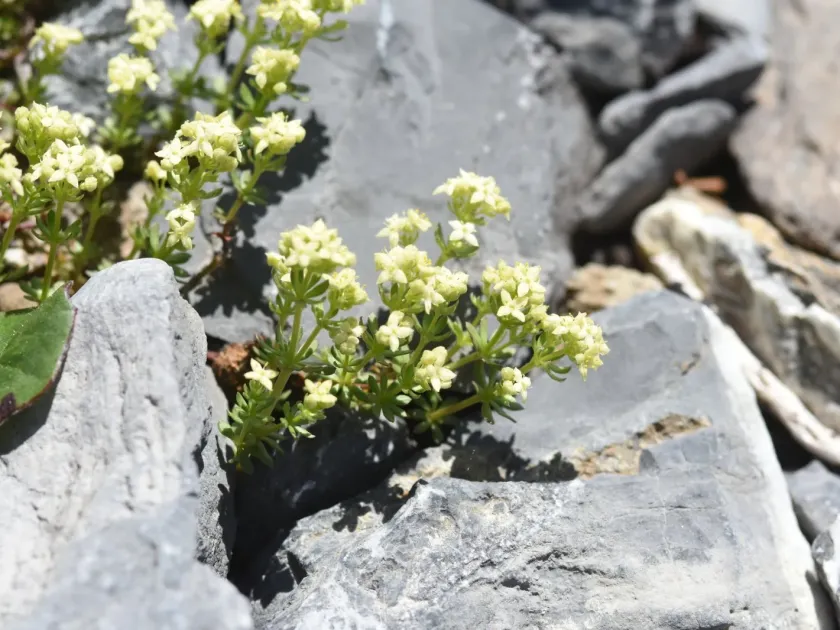
Description
Growing requirements
Galium megalospermum is a perennial herbaceous plant belonging to the Rubiaceae family. While not a conventional major crop, it is of interest in specialized agriculture due to its unique botanical properties and resilience in alpine climates.
The plant thrives in well-drained, stony, or rocky soils, reflecting its natural habitat in high-altitude regions. It requires significant sunlight and is generally intolerant of waterlogged soil conditions, which can lead to root rot.
Climate requirements include high adaptability to temperature fluctuations. Galium megalospermum displays high frost resistance, making it a viable candidate for cultivation in cooler regions where more sensitive plants fail to survive.
When cultivating this species, mineral nutrition should focus on balance. While the plant is hardy and adapted to poor soils, supplemental fertilization with phosphorus and potassium can enhance flowering and seed production.
The agricultural potential of this plant also lies in its ability to serve as a soil stabilizer. Its dense root system and perennial nature make it an excellent choice for erosion control on slopes in sustainable farming practices.
Main diseases and pests
Fungal pathogens such as powdery mildew represent the most significant threat to the health of Galium megalospermum plantations. Good air circulation and moisture management are critical to preventing outbreaks of these diseases.
Insects like aphids and certain beetle species may damage the foliage or reproductive organs. Integrated pest management strategies, including the use of beneficial insects, are recommended to maintain plant health.
Root rot is a common issue if the planting site does not have adequate drainage. Ensuring proper soil preparation prior to sowing is the best defense against long-term moisture-related damage.
Weed management is vital during the early establishment phase. As the plant grows relatively slowly at first, suppressing competitors through physical barriers or mulching is essential for successful establishment.
Regular scouting for pest and disease indicators is necessary during the vegetative season. Early intervention is the most effective way to protect the crop yield and maintain the quality of the harvested biomass.