
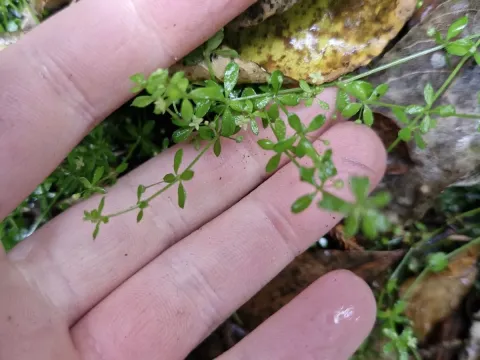
Galium propinquum
Galium propinquum
Galium propinquum is a distinct species within the Rubiaceae family. While not a conventional staple crop, it is cultivated for specific botanical and pharmaceutical applications, requiring specialized knowledge to manage its growth cycles effectively.
What the section contains
Galium propinquum
The plant thrives in fertile, well-draining soils with a slightly acidic to neutral pH level. Proper site selection is critical, as the crop prefers locations that mimic its native moist, cool environment while avoiding stagnant water conditions.
Environmental conditions play a pivotal role in the yield quality. This plant requires moderate sunlight exposure, ideally partial shade during the hottest parts of the day to prevent leaf scorching and to preserve its chemical composition.
Temperature management should prioritize steady conditions between 16 and 24 degrees Celsius. The crop is moderately hardy but needs protection against extreme frosts which can damage the stems and stunt the subsequent growth phase.
Cultural practices include consistent soil moisture maintenance and the application of balanced organic fertilizers. Effective aeration of the soil through mechanical cultivation is essential to support the development of a robust root system.
Disease pressure on Galium propinquum is primarily linked to fungal pathogens, such as powdery mildew, which flourish in high-humidity microclimates. These infections can drastically reduce the commercial value of the harvested biomass.
Root rot represents a significant threat during periods of excessive rainfall or poor irrigation management. Maintaining adequate drainage is the most effective preventative measure against these soil-borne pathogens.
Insect pests, specifically aphids and certain mite species, are common nuisances. They target the succulent parts of the plant, often leading to stunted development and the transmission of secondary viral infections.
Integrated pest management strategies are recommended for effective control. This includes the use of biological predators and environmentally friendly soaps to reduce the impact of pesticides on the crop and local ecosystem.
Crop rotation and field sanitation are fundamental practices for ensuring long-term yield stability. By eliminating plant debris at the end of the season, growers can significantly reduce the risk of recurring pest infestations.