
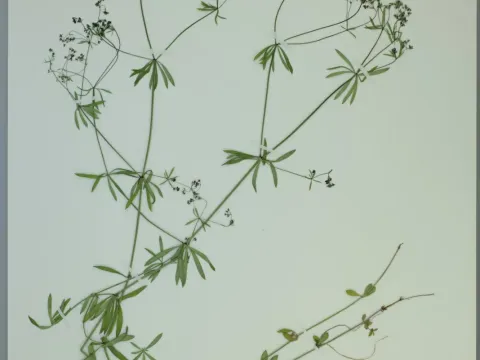
Galium papillosum
Galium papillosum
Galium papillosum belongs to the Rubiaceae family, a diverse group of plants known for their varied chemical composition and ecological adaptability. It is a perennial herb that thrives in temperate climate zones.
What the section contains
Galium papillosum
The plant is botanically distinguished by its papillary surface texture on stems and foliage, which serves as a protective adaptation against environmental stressors.
Soil requirements for optimal growth include well-drained, nutrient-rich substrates. The plant prefers neutral to slightly acidic pH levels, reflecting its natural habitat in meadow and steppe ecosystems.
Regarding climate, Galium papillosum is resilient but performs best when given consistent moisture during the early vegetative stages, followed by a warm, dry ripening phase.
Light exposure should be managed carefully; while the plant is adaptable, direct sunlight promotes higher concentrations of essential secondary metabolites during the growing season.
The economic value of Galium papillosum is primarily found in its utility as a source of phytochemicals used in traditional medicine and specialized herbal supplements.
In addition to medicinal use, the green biomass can be integrated into high-quality animal feed, providing a profile of vitamins and essential microelements beneficial to livestock health.
Production efficiency relies on harvesting during the peak flowering stage. This timing ensures that the essential oil and flavonoid content is maximized for processing.
Yield stability is achieved through consistent soil fertility management and ensuring that plant density remains within recommended ranges to prevent resource competition.
Post-harvest handling is critical. Proper drying techniques in well-ventilated, shaded areas are essential to prevent mold growth and maintain the structural integrity of the harvested material.
Powdery mildew represents a primary fungal threat, particularly in environments with poor air circulation and excessive ambient humidity, which can lead to significant crop damage.
Root rot, caused by various soil-borne pathogens, is a concern in poorly drained fields. Maintaining proper soil structure is the most effective preventative measure against these issues.
Insect pests, such as aphids, can cluster on succulent stems, draining nutrients and stunting plant growth. Early detection and monitoring are essential for management.
Integrated pest management strategies focusing on biological controls are preferred over chemical interventions to maintain the quality of the harvested biomass for human or animal consumption.
Cultural practices, such as maintaining adequate space between rows and removing nearby weeds, are foundational to reducing the pressure from diseases and insect outbreaks.