
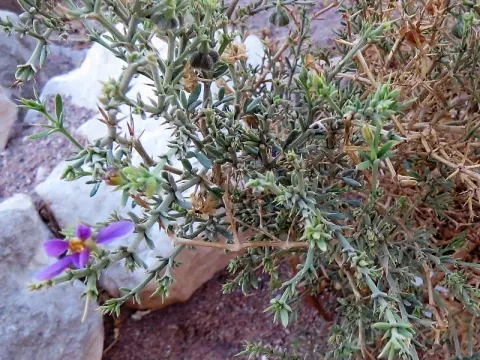
Galium pisiferum
Galium pisiferum
Galium pisiferum is a perennial plant within the Rubiaceae family, valued for its biological properties. The primary sowing period occurs in the spring when soil temperatures consistently reach at least 10 degrees Celsius, facilitating rapid seed germination.
What the section contains
Galium pisiferum
Proper field preparation involves deep autumn plowing followed by thorough spring harrowing. Creating a fine soil tilth is essential to ensure uniform seed placement and prevent moisture loss from the seedbed.
Sowing depth is typically maintained between 1 to 2 centimeters. Using precise seeding equipment allows for optimal spacing, which helps in reducing weed competition during the early stages of plant establishment.
Field density must be managed carefully to balance individual plant growth with total yield. Higher densities are generally preferred to suppress weed growth through shading the soil surface effectively.
The use of certified seeds and proper planting date adjustment are key factors that influence the uniformity of the crop stand and, ultimately, the efficiency of harvest operations.
This crop thrives in well-lit environments and shows good adaptability to various soil types, ranging from loams to sandy soils. A neutral or slightly acidic soil pH is ideal for nutrient uptake.
While the plant exhibits moderate drought resistance, consistent moisture levels during the vegetative growth phase are necessary for maximizing biomass production. Waterlogging should be strictly avoided.
The climate requirement centers around moderate temperatures between 15 and 25 degrees Celsius. Galium pisiferum demonstrates significant resilience to cold winters, provided there is adequate soil coverage.
Nutrient management focuses on potassium and phosphorus applications, which support root development and overall plant hardiness. Nitrogen should be applied sparingly to avoid overly succulent growth.
Inter-row cultivation is a vital agronomic practice that keeps the soil aerated and significantly reduces weed pressure, ensuring the crop has access to essential water and mineral resources throughout the season.
Fungal pathogens like powdery mildew and various leaf spot diseases are the primary threats, particularly in high-humidity seasons or poorly ventilated fields. Disease management begins with sanitation.
Pests such as aphids and specific soil-dwelling larvae can impact crop health. Regular scouting of the field is necessary to identify early signs of infestation and determine the need for intervention.
Crop rotation is the most effective preventative measure against soil-borne diseases and pest cycles. It is recommended to avoid planting this species in the same location for multiple consecutive years.
Integrated Pest Management (IPM) strategies, including the use of biological controls and selective treatments, help in maintaining crop quality while minimizing environmental impacts.
Maintaining a clean field perimeter and removing host weeds are critical steps in preventing the spread of diseases, ensuring the longevity and productivity of the established crop stand.