
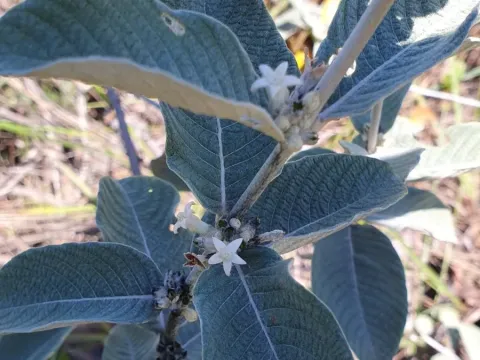
Sabicea
Sabicea
Sabicea is a genus of flowering plants belonging to the family Rubiaceae, primarily consisting of vines, shrubs, and subshrubs. These plants are native to the tropical regions of Africa, Madagascar, and the Neotropics, where they thrive in the understory of dense rainforests.
What the section contains


Sabicea
The genus is characterized by opposite leaves and distinctive stipules, which are hallmark features of the Rubiaceae family. The flowers are typically clustered in dense, axillary, or terminal heads, often accompanied by colorful bracts that enhance the plant's visibility to pollinators in the shaded forest environment.
Regarding environmental needs, Sabicea species require high levels of atmospheric humidity and consistent warmth. They are highly adapted to the tropical climate and struggle in regions with distinct, cold, or dry seasons, making them suitable mainly for tropical gardens or specialized greenhouse environments with controlled conditions.
Soil requirements for optimal growth include a nutrient-rich, well-draining medium that mimics the forest floor. The substrate must be loose and airy to prevent root rot; any compaction of the medium usually leads to poor plant development and eventual decline of the root system.
Economically and practically, these plants are primarily valued for their botanical interest and their traditional use by indigenous populations for various medicinal purposes. While not a large-scale agricultural crop, some species are utilized in botanical research or cultivated as ornamental greenery in warm, humid climates.
The primary threats to cultivated specimens are fungal diseases resulting from waterlogged soil or poor ventilation. Excess moisture creates a favorable environment for pathogens that attack the root system, frequently leading to systemic rot if the drainage conditions are not maintained strictly.
Common pests include mites and mealybugs, which are problematic in protected environments where air circulation may be limited. These pests exploit the plant's succulent growth, causing leaf curling and reduced photosynthesis. Preventive measures include ensuring consistent humidity and periodic inspection of the foliage.