
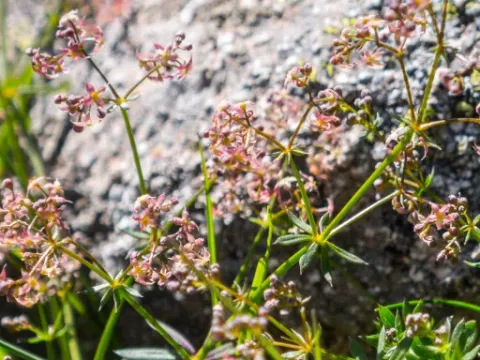
Corsican bedstraw
Galium corsicum
Corsican bedstraw (Galium corsicum) is a perennial herbaceous plant belonging to the Rubiaceae family. As an endemic species to the island of Corsica, it has developed unique botanical traits suited for high-altitude, nutrient-poor, and rocky environments where it thrives naturally.
What the section contains
Corsican bedstraw
In terms of agricultural requirements, this species demands exceptionally well-drained soils, preferably with a rocky or sandy texture. It is intolerant of waterlogging, making proper soil preparation and slope management essential for successful large-scale cultivation or ornamental gardening.
Regarding climate, the plant prefers open locations with full sun exposure. It displays significant resilience to typical Mediterranean weather fluctuations, including warm summers and moderate winters, although it requires consistent moisture during the early establishment phase of its life cycle.
The agronomic management of Galium corsicum involves minimal fertilization, as the species is adapted to low-fertility conditions. Over-fertilization, especially with nitrogen, can lead to weak stem development and reduced resilience against physical stressors or environmental changes.
Maintenance of the crop involves regular weeding during the first season of growth, as the plant is slow to establish. Once established, it forms a dense cover that effectively competes with weeds, reducing the need for intensive chemical or mechanical weed control over time.
The primary threat to the health of Corsican bedstraw is fungal infection triggered by high humidity and poor air circulation. Root rot and powdery mildew are common issues that require strict adherence to spacing and drainage protocols to mitigate effectively during the growing season.
Pest pressures are generally low, but aphids can occasionally infest tender new shoots during the spring growth flush. Integrated pest management, focusing on biological controls and maintaining soil health, is usually sufficient to manage these populations without the need for synthetic pesticides.