
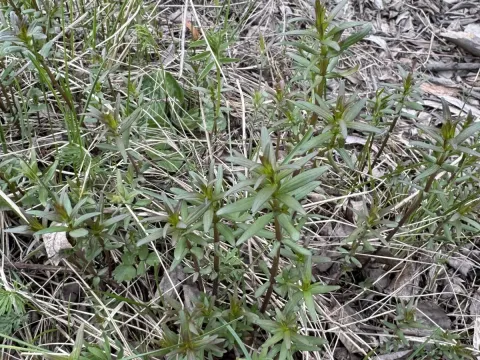
Northern bedstraw
Galium boreale
Northern bedstraw is a perennial herb that is best propagated through vegetative methods, specifically by dividing rhizomes in the early spring.
What the section contains
Northern bedstraw
For seed propagation, it is recommended to sow seeds in late autumn, as the seeds require a period of natural stratification to ensure high germination rates.
The seeds should be planted at a shallow depth of no more than 1–2 centimeters, as they require light and constant moisture to germinate effectively.
In field production, spacing should be set at 45–60 centimeters between rows to allow for optimal plant development and sufficient nutrient absorption.
When transplanting rhizome segments, ensure they are placed in well-prepared, loose soil to facilitate the rapid establishment of a strong root system.
This crop thrives in fertile, moderately moist soils and shows high adaptability to various soil types, ranging from loams to rich garden soils.
Northern bedstraw is a light-demanding plant, and for the highest yields, it should be cultivated in open areas that receive full sunlight throughout the day.
The plant is highly winter-hardy and capable of surviving harsh climate conditions, making it a reliable perennial for various geographic zones.
Soil pH should ideally be neutral or slightly acidic; if the soil is too acidic, applying lime before planting is recommended to improve growth outcomes.
While the plant is hardy, it responds positively to organic fertilization, which helps maintain soil structure and provides necessary micronutrients.
The yield of Northern bedstraw depends heavily on the plantation age, with productivity peaking during the second and third years of continuous cultivation.
The primary harvest period occurs during mass flowering when the aerial parts of the plant contain the highest concentrations of tannins and coumarins.
Proper harvesting techniques, including cutting the plants at a specific height, allow for potential regrowth and subsequent harvests within the same season.
Post-harvest processing involves rapid drying at temperatures not exceeding 45 degrees Celsius to preserve the essential oils and natural color of the herb.
Efficient management of the plantation leads to stable yields, providing consistent raw material for the pharmaceutical and food supplement industries.
Northern bedstraw has natural defenses, but it remains susceptible to fungal diseases such as powdery mildew in areas with high humidity and poor ventilation.
Weed control is critical, especially in the early stages of plant growth, as weeds can significantly compete for light, moisture, and soil nutrients.
Certain insect pests may target the foliage, necessitating regular field monitoring and the use of integrated pest management strategies to protect the crop.
Root rot can occur in poorly drained, waterlogged soils, which highlights the importance of selecting suitable land for the plantation site.
Maintaining a balanced ecosystem around the field can help suppress pest populations naturally, reducing the need for chemical interventions.
Harvesting is typically conducted when the plants are in full bloom, ensuring the highest quality of the flowering tops for commercial use.
Mechanical harvesting is viable on larger plots, provided that the height of the mower is adjusted to protect the plant's basal buds for regrowth.
Immediate handling of the freshly cut biomass is necessary to prevent fermentation, which can lead to a significant decrease in the product's quality.
Once gathered, the material should be cleaned of soil and debris to meet industry standards for raw botanical ingredients and herbs.
Final storage must be in a cool, dry, and dark location to prevent the degradation of active chemical components and to maintain product potency.