
Oldenlandia affinis
Oldenlandia affinis
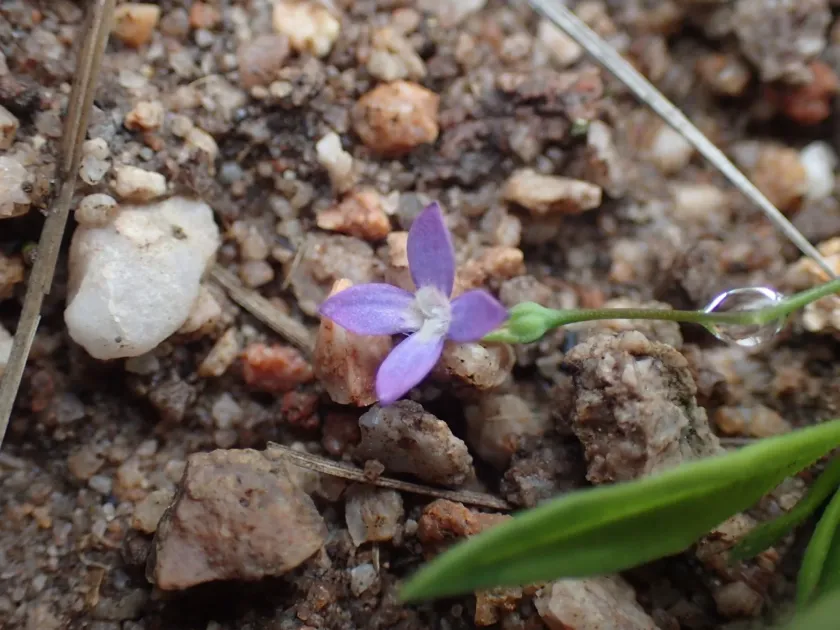
Description
Sowing dates
Oldenlandia affinis, often referred to as the kalata plant, belongs to the Rubiaceae family. The propagation of this crop requires specific attention to soil preparation, ensuring a loose, well-draining medium that promotes the healthy development of its delicate root system.
Sowing is best performed in early spring or at the onset of the rainy season in tropical regions. The seeds should be distributed evenly on the surface of the growing medium and covered with a very thin layer of fine soil to ensure proper contact while allowing necessary light exposure.
Maintaining consistent soil moisture is crucial during the germination phase, which typically lasts from two to three weeks. Over-watering should be strictly avoided to prevent seedling damping-off, a common issue in humid environments.
When sowing in trays or beds, spacing must be carefully considered to allow for sufficient air circulation. Proper plant spacing reduces the humidity around the foliage and significantly lowers the risk of fungal infections in the early growth stages.
Once seedlings have reached the 4-leaf stage, they are ready for hardening off before being transplanted to their final location. This transition should be gradual to minimize transplant shock and encourage vigorous root expansion in the field soil.
Growing requirements
This crop is native to tropical environments and requires a warm, stable climate to flourish. Temperatures between 20°C and 30°C are ideal, while extreme heat or any exposure to frost can be devastating to the plant's metabolic processes.
Soil requirements focus on high organic matter content and excellent drainage. The plant performs best in sandy loam soils with a slightly acidic to neutral pH. Heavy soils that retain excessive water are unsuitable and should be avoided or amended with sand and compost.
Water management is a key factor in successful cultivation. While the plant is somewhat drought-tolerant once established, consistent soil moisture during the main growing season is essential for maximizing biomass production.
Sunlight requirements are substantial, yet the plant benefits from protection during the hottest hours of the day. Exposure to filtered or morning sun is preferred, as intense, direct afternoon heat can scorch the leaves and reduce the quality of the phytochemicals.
Fertilization should be managed carefully, with a focus on balanced nutrition rather than excessive nitrogen. High nitrogen levels can lead to rapid, weak growth that is more susceptible to pests and diseases, potentially diluting the medicinal concentration.
Main diseases and pests
Oldenlandia affinis is prone to several common pests including aphids and spider mites, which thrive in hot and dry conditions. Regular monitoring of the underside of leaves is necessary to catch infestations before they cause widespread damage.
Fungal diseases are the primary threat, especially in conditions of poor ventilation and high humidity. Root rot, caused by various soil-borne pathogens, can quickly wipe out a crop if drainage systems are compromised or if the plants are overcrowded.
Leaf spot diseases may appear during the rainy season, manifesting as dark lesions on the foliage. These can be managed by removing infected leaves immediately and ensuring that the plant density allows for optimal airflow through the canopy.
Integrated pest management (IPM) practices are highly recommended, involving the use of biological controls or organic soaps to manage insect populations without the use of harsh synthetic chemicals that might contaminate the final medicinal product.
Preventative measures, such as crop rotation and the use of disease-free planting material, are essential for long-term productivity. Maintaining field hygiene by removing decaying plant matter helps to minimize the reservoir of pathogens in the soil.
Harvesting
Harvesting should be timed to coincide with the plant's peak flowering period, as the concentration of medicinal peptides is usually highest at this stage. Timing the harvest accurately is critical for pharmaceutical quality standards.
The entire above-ground part of the plant is typically harvested. Using sharp, sanitized equipment ensures clean cuts that heal quickly, reducing the risk of disease entry through wounds left on the stem or remaining root base.
Post-harvest handling requires immediate processing. The harvested biomass should be moved to a clean, dry area away from direct sunlight to prevent the degradation of heat-sensitive compounds within the leaves and stems.
Drying the material is a delicate process that requires consistent airflow and moderate temperatures. Industrial dryers or well-ventilated drying rooms are preferred to ensure the material reaches the desired moisture content without burning or fermenting.
Once dried, the crop is usually packed in moisture-proof containers to maintain quality during storage and shipping. Proper labeling, including the date of harvest and processing conditions, is vital for maintaining the traceability of the agricultural product.