
Oldenlandia
Oldenlandia L.
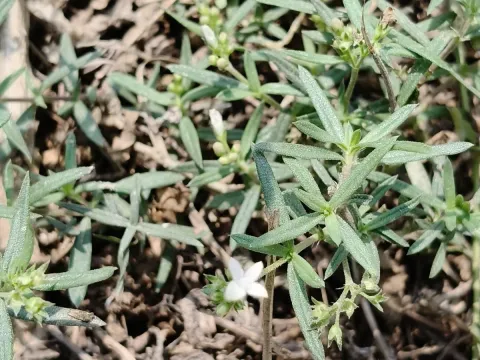
Oldenlandia is a genus of flowering plants belonging to the Rubiaceae family, comprising approximately 200 species found across tropical and subtropical regions. These plants are typically characterized by their delicate structure, often forming low-growing, spreading mats.
What the section contains

Oldenlandia
The botanical classification of the genus is complex due to historical taxonomical shifts, but it remains a vital subject for pharmacognosy. Morphologically, they feature opposite leaves, small stipules, and tiny four-petaled flowers that often emerge from the leaf axils.
Cultivation requires environments mimicking their native tropical habitats: high ambient humidity, warm temperatures, and consistent light exposure. Soil should be rich in organic matter and possess excellent drainage to prevent root asphyxiation during the growth cycle.
In terms of agricultural utility, Oldenlandia species, especially Oldenlandia diffusa, are harvested for their medicinal properties. They are esteemed for containing bioactive compounds such as ursolic acid and various flavonoids that support human health.
Proper management of the growing environment is essential, as the plant is sensitive to drought and extreme nutrient imbalances. Maintaining a consistent soil moisture level is the primary factor for successful biomass production in commercial settings.
Root rot caused by fungal pathogens is the most prevalent threat to Oldenlandia. These fungi flourish in waterlogged conditions, making proper irrigation management the most critical aspect of disease prevention.
Insect pests, including aphids and whiteflies, frequently colonize the tender foliage of the plant. Their activity can stunt growth and facilitate the spread of viral pathogens, leading to significant yield loss in unprotected crops.
Weed management is vital during the early vegetative stages, as the plant is relatively slow-growing initially. Competing vegetation can quickly overwhelm the crop, starving it of necessary nutrients and sunlight.
To maintain crop health, producers utilize mulching techniques to regulate soil temperature and moisture. Additionally, ensuring proper spacing between plants helps maintain airflow, which significantly reduces the risk of foliar fungal infections.
Integrated pest management protocols are recommended to preserve the medicinal quality of the harvest. Avoiding heavy synthetic pesticides is standard practice to ensure the final botanical product meets safety standards for therapeutic use.