
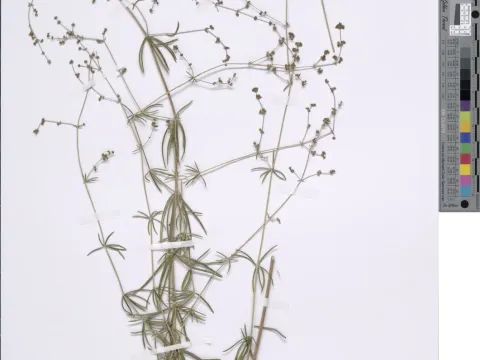
Baetic bedstraw
Galium baeticum
Baetic bedstraw (Galium baeticum) is a perennial herbaceous plant belonging to the Rubiaceae family. This species is notably adapted to the environmental conditions of its native southern Iberian Peninsula habitats.
What the section contains
Baetic bedstraw
The plant thrives in Mediterranean climate zones, characterized by warm, dry summers and mild winters. It demonstrates a high level of resilience to seasonal water scarcity, which is a key adaptation for its survival in arid conditions.
For successful cultivation, well-drained, lime-rich soils are essential. The crop performs best in neutral to slightly alkaline soil environments, as these conditions mimic its natural ecological niche found in rocky, mountainous slopes.
Light requirements are strictly high; the plant needs direct sunlight for the majority of the day to ensure healthy metabolic activity. Insufficient light exposure often leads to weak stem growth and decreased quality of raw materials.
Agricultural management requires careful attention to soil aeration. Cultivators should prioritize fields with excellent natural drainage to prevent root rot, as the species is highly sensitive to excessive soil moisture and waterlogging.
Primary threats to the health of Baetic bedstraw include fungal pathogens, particularly those causing stem and root decay during periods of high humidity. Poor airflow within dense plantings is a major contributing factor to these outbreaks.
Insects, including various aphids and foliage-consuming beetles, are frequent pests. These organisms can severely stress the plants, leading to reduced photosynthetic surface area and lower overall biomass production.
Integrated Pest Management (IPM) strategies are recommended to maintain field health. This includes regular field inspections to detect early signs of infestation and the removal of infected plant material to stop disease cycles.
Crop rotation is vital for long-term production success. Moving plantings to new areas prevents the build-up of host-specific soil pathogens and pests that often colonize perennial beds over several growing seasons.
Chemical control measures should be applied with caution, ensuring adherence to safety regulations for herbal crops. Whenever possible, farmers should utilize biological controls to mitigate pest pressure without compromising the purity of the yield.