
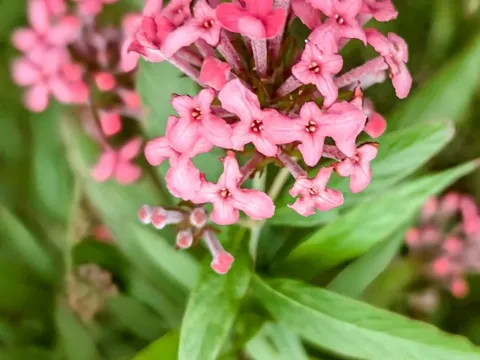
Arachnothryx leucophylla
Arachnothryx leucophylla
Arachnothryx leucophylla, belonging to the Rubiaceae family, is a captivating evergreen shrub prized for its dense foliage and delicate floral displays. This species is native to the tropical regions of Mexico, where it thrives in warm, humid conditions.
What the section contains
Arachnothryx leucophylla
The plant is primarily cultivated as an ornamental species in temperate regions, requiring specialized greenhouse conditions to mimic its natural habitat. It prefers a consistent environment, avoiding exposure to extreme heat or freezing cold.
Optimal soil for this plant must be rich in organic matter and possess excellent drainage capabilities. A well-aerated soil mixture helps prevent waterlogging, which is a critical aspect for the health of the root system.
Regarding climate, the plant requires bright, filtered sunlight to flourish. Excessive intensity of direct sun can damage the foliage, while complete shade may prevent flowering. Maintaining a warm temperature range is essential for vegetative growth.
Water management is vital; the plant requires consistent moisture but cannot tolerate saturated conditions. High ambient humidity is highly beneficial and often necessary for maintaining the aesthetic quality of the leaves and blossoms throughout the year.
Common plant health issues in Arachnothryx leucophylla are often linked to improper irrigation. Fungal infections, particularly root rot, are the most frequent threats caused by over-saturation of the potting medium.
Spider mites represent the primary pest challenge, especially in indoor environments with low humidity. These pests feed on the underside of the leaves, causing chlorotic spots and premature leaf drop if not managed promptly.
Mealybugs can also infest the plant, settling in leaf axils and stems. Their feeding weakens the overall structure, making the plant more susceptible to opportunistic pathogens that thrive in damp conditions.
Nutrient imbalances, particularly related to micronutrient uptake, may manifest as chlorosis. This condition often stems from incorrect soil pH levels, requiring careful adjustment to ensure all nutrients remain bioavailable to the shrub.
Effective management includes regular monitoring for early signs of infestation and maintaining excellent sanitation protocols. Proper ventilation and appropriate spacing in greenhouse settings are key strategies to prevent the rapid spread of diseases.