
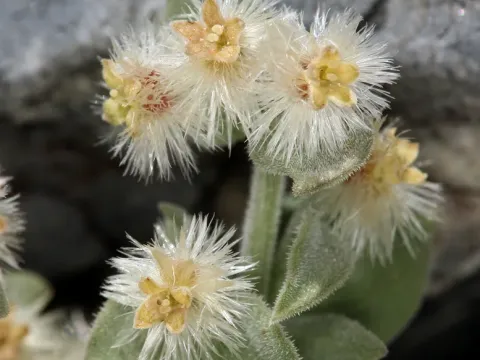
Bedstraw
Galium
Bedstraw (Galium) belongs to the Rubiaceae family and is commonly grown for its medicinal and industrial properties. Propagation is typically achieved through seeds or by dividing mature rhizomes in early spring or autumn.
What the section contains


Bedstraw
When starting from seeds, it is recommended to plant them in autumn to allow for natural stratification, which is essential for uniform germination. Seeds are small and should be sown at a shallow depth of approximately 0.5 to 1 centimeter.
For vegetative propagation, healthy rhizome segments are planted in moist, well-prepared soil. This method ensures faster establishment of the crop and is often preferred for maintaining the specific genetic characteristics of the chosen variety.
Proper spacing between rows is necessary to allow for mechanical weeding and to ensure adequate sunlight penetration. Overcrowding can lead to stunted growth and reduced concentrations of secondary metabolites in the plants.
The field should be cleared of perennial weeds before sowing, as bedstraw seedlings are relatively delicate during their initial growth phase and can be easily outcompeted by aggressive weeds.
Bedstraw is highly adaptable, growing well in various soil types including sandy loams and clay-rich soils. It prefers neutral to slightly acidic pH levels and requires a site with good drainage to prevent root rot.
While it is relatively drought-tolerant once established, the plant thrives with consistent, moderate moisture during the spring and early summer growing periods. Excessive water stagnation should be avoided at all costs.
The plant grows effectively in both full sun and partial shade. However, plants grown in full sun tend to produce a higher concentration of active compounds, which is crucial for medicinal and cosmetic applications.
Bedstraw is recognized for its winter hardiness and can survive severe frost, making it suitable for temperate climates. It requires minimal fertilizer, with well-rotted compost usually being sufficient to boost growth.
Good soil aeration is vital for root development. Regular hoeing between rows not only helps control weeds but also promotes healthier root systems by improving oxygen availability in the soil profile.
The harvest focuses on the aerial parts of the plant, which are typically collected during the peak flowering stage. This timing is essential to ensure the highest quality of the final herbal product.
Mechanical harvesting is common in large-scale operations, where the plants are mowed a few centimeters above the ground. The biomass should be dried promptly in a cool, well-ventilated area to preserve its color and potency.
A well-maintained bedstraw plantation can remain productive for several consecutive years. Yields are stable provided that soil nutrients are managed and weed competition is kept to a minimum.
The dried herb is used extensively in the pharmaceutical and food industries, specifically as a natural colorant and a source of herbal infusions. Market demand for high-quality, organically grown bedstraw remains consistent.
Post-harvest handling, including sorting and impurity removal, is essential to meet strict industry standards. Proper storage in moisture-proof containers extends the shelf life of the dried biomass.
Although generally robust, bedstraw can be susceptible to powdery mildew, especially during humid and warm weather. Managing plant density to ensure airflow is a primary cultural control method.
Insect pests like aphids or leaf-feeding beetles can occasionally cause damage to the foliage. Biological control agents or targeted, organic-compliant insecticides should be used to protect the harvest.
Weed management remains the most significant challenge, as invasive species can easily smother bedstraw plants. Mulching or manual inter-row cultivation is highly recommended to mitigate this risk.
Root rot is a common issue on poorly drained sites or during periods of excessive rainfall. Choosing elevated planting sites or improving field drainage is the best long-term strategy for crop health.
Monitoring for signs of pest or disease outbreaks should be part of the routine management plan to prevent significant yield losses and ensure the sustainability of the agricultural plot.