
Argostemma
Argostemma
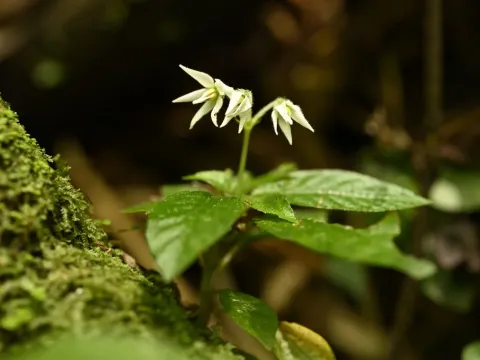
Argostemma is a diverse genus within the Rubiaceae family, comprising numerous species native to the tropical and subtropical forest floors of Southeast Asia. These plants have evolved to thrive in low-light environments, making them unique subjects for botanical study.
What the section contains
Argostemma
The morphology of Argostemma includes succulent or delicate stems with opposite leaves that often display intricate venation. Their inflorescences, typically bearing small star-shaped flowers, provide an elegant aesthetic appeal in both botanical gardens and terrariums.
Environmental requirements for these plants are strict: they necessitate high humidity levels and stable, warm temperatures. They are highly sensitive to sudden changes in microclimate, which can cause leaf drop or slowed growth during the vegetative stage.
A well-draining, nutrient-rich substrate is essential for the healthy development of the root system. Peat-based mixes amended with perlite are generally recommended to prevent soil compaction and ensure that oxygen reaches the roots effectively.
While Argostemma is not an industrial agricultural crop, it holds significant value in the specialized nursery industry. It is primarily utilized as a high-end decorative plant for indoor landscaping and specialized biological installations.
The main threats to the plant's health are fungal pathogens, specifically those causing damping-off and root rot. These issues are almost exclusively associated with improper watering practices and poor air circulation in the growing environment.
Insect pests such as mealybugs and spider mites are frequent invaders. Because Argostemma plants are delicate, chemical interventions must be handled with care, often requiring biological control methods to avoid damaging the sensitive leaf tissues.