
Danais
Danais
The genus Danais belongs to the Rubiaceae family, a diverse group of plants known for their complex biological adaptations. These plants are primarily woody vines native to tropical forests, with a significant concentration of species found on Madagascar.
What the section contains
Danais
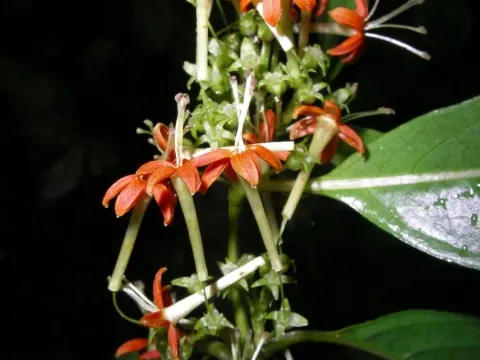
Botanically, Danais species are characterized by their climbing growth habit, opposite leaves, and distinctive flowers arranged in complex clusters. These flowers often possess a pleasant fragrance designed to attract specific pollinators in their native habitat.
For successful cultivation, these plants require an environment that mimics their natural tropical climate. High humidity levels, coupled with moderate to bright indirect sunlight, are essential to maintain the health and decorative value of the foliage.
Soil requirements for Danais include a well-draining, nutrient-rich potting medium. The soil should be slightly acidic or neutral, and it must allow for adequate aeration, as the root systems of these vines are sensitive to waterlogging and soil compaction.
In terms of usage, Danais is primarily valued as an ornamental plant in greenhouses, conservatories, and botanical collections. In appropriate tropical climates, they are excellent choices for vertical landscaping, providing dense cover and aesthetic appeal.
In controlled environments, Danais plants are susceptible to common indoor pests such as spider mites, which thrive in low-humidity conditions. Regular monitoring is necessary to prevent infestations from causing leaf damage.
Mealybugs are another common threat, often hidden in the leaf axils or along the stems. Their feeding can cause stunted growth and the development of sooty mold due to the secretion of honeydew on the foliage.
Root rot remains the most significant risk associated with poor irrigation management. Maintaining a consistent moisture balance is critical, as excessive water intake quickly compromises the structural integrity of the root system.
Fungal leaf spot diseases can emerge if the environment has stagnant air and high humidity without adequate ventilation. Keeping the canopy clean and ensuring proper airflow is essential for the prevention of these pathogens.
Effective management of these threats involves a combination of cultural practices, such as proper spacing and cleaning, and the judicious use of pesticides when necessary. Early intervention is the key to maintaining a healthy specimen.