
Anthospermum
Anthospermum
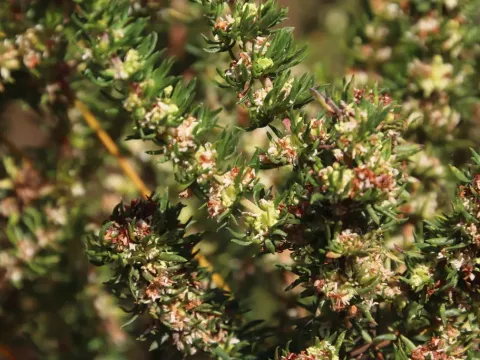
Anthospermum is a genus of evergreen shrubs and subshrubs belonging to the Rubiaceae family. Originating primarily from Africa and Madagascar, these plants are known for their resilience and ability to thrive in diverse habitats ranging from arid savannahs to mountainous slopes.
What the section contains

Anthospermum
Successful cultivation of Anthospermum requires well-draining soil with a neutral to slightly acidic pH. The root system is highly sensitive to waterlogging, so selecting a location that allows for optimal drainage is essential for long-term plant health.
In terms of climate, the plant prefers sunny environments with good air circulation. While it can withstand periods of drought, consistent but moderate moisture levels during the active growth phase are recommended for better biomass accumulation.
Botanically, the plant is characterized by small, often opposite or whorled leaves and wind-pollinated flowers. Its rigid growth habit and dense foliage make it a robust candidate for regions with poor soil quality where other crops might struggle to survive.
The agricultural and economic utility of Anthospermum is often focused on its ethnobotanical applications. Historically, various species within the genus have been used in local medicine and as natural sources for pigments or dyes in textile manufacturing.
The primary threats to Anthospermum health are fungal pathogens, specifically those that thrive in high humidity and poor ventilation. Root rot is a significant risk if the soil remains excessively wet for extended periods, leading to rapid decline.
Pests that commonly affect this crop include spider mites and aphids. These insects feed on the sap of young stems and leaves, which can lead to stunted growth and leaf chlorosis if not addressed during the early stages of an infestation.
Integrated pest management (IPM) is the most effective approach for maintaining healthy plantations. This includes regular field inspections to detect early signs of pest damage, as well as thinning out overly dense foliage to improve airflow and reduce fungal pressure.
Sanitation is a critical component of disease control. Removing fallen leaves and infected plant debris helps reduce the reservoir of spores and overwintering larvae in the field, thereby protecting the crop for the next season.
While chemical interventions can be used for severe outbreaks, organic fungicides and insecticidal soaps are preferred to preserve the local ecological balance, especially given the plant's sensitivity to synthetic chemicals and potential use in medicinal applications.