
Anthorrhiza
Anthorrhiza
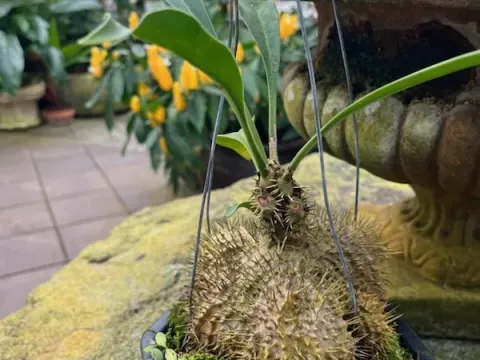
Anthorrhiza is a genus of flowering plants within the Rubiaceae family. These plants are famous for their myrmecophilous nature, meaning they have evolved a symbiotic relationship with ants, which inhabit the swollen, chambered caudex structures formed by the plant.
What the section contains


Anthorrhiza
The native distribution of Anthorrhiza is primarily confined to the tropical rainforests of the Pacific region, specifically New Guinea and the Solomon Islands. As epiphytes, they grow on tree branches rather than in the ground, gathering nutrients from decaying debris.
To cultivate these plants successfully, one must maintain high atmospheric humidity levels, typically above 75%. They thrive in environments where temperatures remain consistently between 22 and 28 degrees Celsius throughout the year.
Growing medium must mimic an epiphytic environment. A mix containing orchid bark, perlite, horticultural charcoal, and dried moss is essential to prevent waterlogging, as the plant's caudex is susceptible to internal rot if the roots are kept too wet.
Light requirements for Anthorrhiza involve bright, indirect sun. Direct exposure can burn the foliage and dehydrate the plant rapidly. Proper ventilation is also crucial to mimic natural forest breezes and prevent the accumulation of stagnant, humid air around the leaves.