
Mayhaw
Crataegus aestivalis
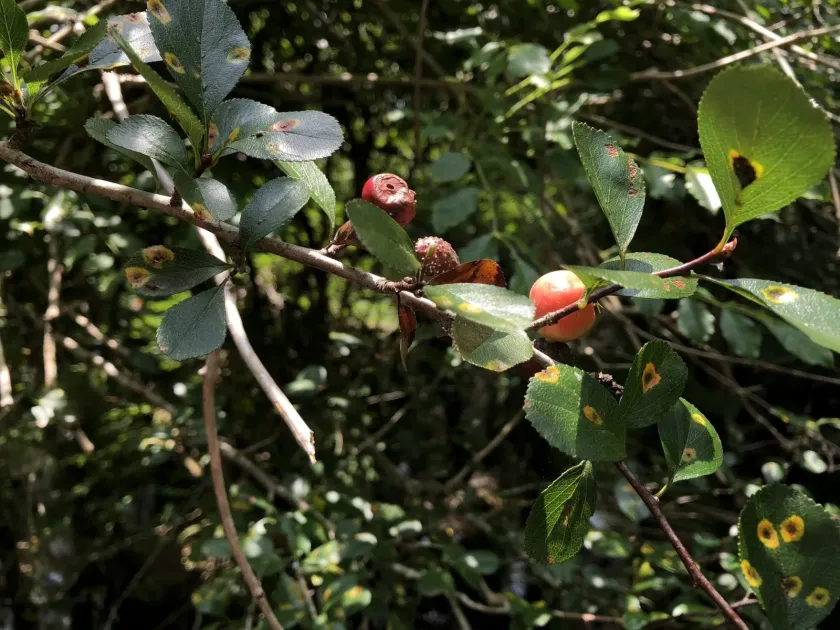
Description
Growing requirements
The Mayhaw (Crataegus aestivalis) is a deciduous shrub or small tree belonging to the Rosaceae family. In the wild, this species is primarily found in the southeastern United States, where it thrives in moist habitats, including wetlands and river floodplains.
The crop has specific growth requirements: it performs best in fertile, well-drained, yet consistently moist soils. The Mayhaw possesses a high tolerance for temporary root system flooding, which is a rare trait for many species within the Crataegus genus.
For optimal growth, the plant requires abundant sunlight, although it can tolerate partial shade during its initial years. In temperate climates, the Mayhaw demonstrates good winter hardiness; however, it requires a long and warm growing season to produce high-quality fruit.
Cultivation practices involve regular soil moisture monitoring, as substrate drying during hot periods can lead to premature fruit drop. The plant responds well to organic fertilization in the spring and mulching around the root zone to maintain soil structure.
Economic use of the species centers on its juicy, tart fruit, which is traditionally processed into jellies, jams, and juices. Due to its resilience, the Mayhaw is also utilized in landscape design to create dense hedges and stabilize wet shorelines.
Main diseases and pests
The primary threats to the Mayhaw include fungal diseases common to the Rosaceae family, specifically rust and powdery mildew. In the high-humidity environments that the plant favors, the risk of pathogen development increases significantly.
Pests include insects typical of pome fruits, such as hawthorn aphids and codling moths. Timely monitoring and the use of biological control methods allow for minimizing damage without relying on aggressive chemical pesticides.
Monitoring bark health is crucial, as rodent damage or mechanical injuries can serve as entry points for infections. A healthy plant with strong immunity is generally capable of resisting most species-specific diseases.
Regular sanitary pruning is a key preventive practice that helps remove damaged shoots and improves airflow within the crown. This reduces moisture accumulation and prevents the development of spore-borne diseases.
If initial signs of infestation are detected, immediate removal of affected plant parts is recommended. In commercial orchards, integrated pest management systems utilize pheromone traps to monitor and control pest populations.
Harvesting
Harvesting the Mayhaw is conducted when the fruits reach full biological maturity, indicated by their characteristic color and soft texture. In warm climates, this period typically falls in mid-summer, which is reflected in the common name of the species.
The fruits are harvested by hand with care to avoid damaging the delicate skin, as they have poor transportability. Fresh berries have a short shelf life, so processing should ideally begin within twenty-four hours after harvesting.
Yield depends on the age of the tree and the lighting conditions of the site. Young plants begin fruiting 4 to 6 years after planting, gradually increasing their fruit production potential with proper crown training.
The harvesting process is facilitated by using specialized containers with soft bottoms to prevent fruit bruising. Ripe berries detach easily from the stem, making the picking process efficient once the technique is mastered.
After collection, the fruits are sorted to remove damaged specimens and any debris. Produce intended for long-term storage requires immediate thermal processing or flash freezing to maintain quality.