
Mexican hawthorn
Crataegus mexicana
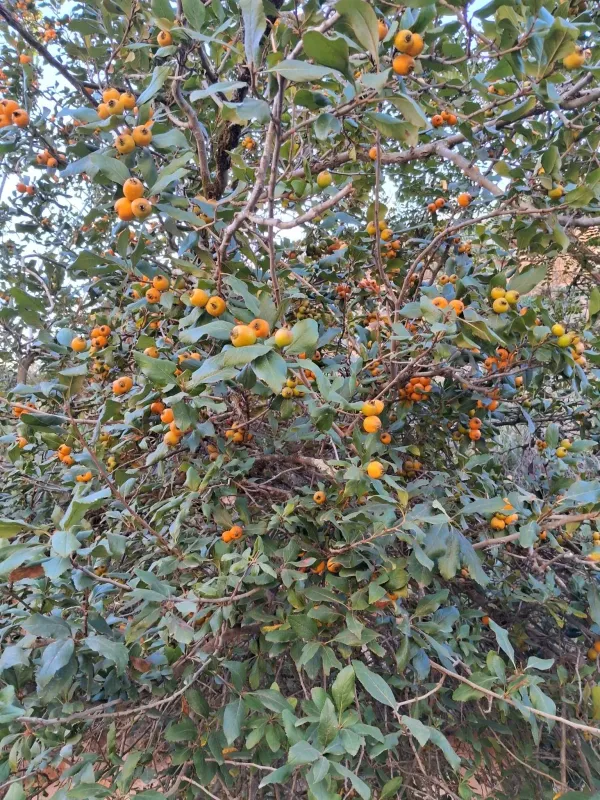
Description
Sowing dates
The propagation of Crataegus mexicana is primarily conducted through seeds, which require a significant stratification period to overcome dormancy. Sowing in late autumn allows for natural cold stratification during winter months.
For container-grown seedlings, seeds should be kept in cool conditions (3–5°C) for several months before sowing in spring. Proper soil moisture must be maintained to ensure successful germination.
Transplanting to the field should occur in early spring when the tree is still dormant. Ensuring the root ball remains intact during this process is crucial for successful establishment in the new environment.
A spacing of 4 to 5 meters is recommended between trees to allow for adequate crown development and sufficient airflow, which helps in preventing fungal diseases in the orchard.
Grafting onto compatible rootstocks is often practiced in commercial settings to shorten the time to the first harvest and to select specific traits for higher fruit quality.
Growing requirements
The Mexican hawthorn is a subtropical plant that thrives in mild climates. It is sensitive to extreme frosts, which can damage the branches and significantly reduce future yields.
Well-drained, fertile soil is essential for this species. It performs best in loamy or sandy soils with a neutral or slightly acidic pH, avoiding heavy clay soils that retain excess water.
Adequate sunlight exposure is mandatory for optimal growth and fruit production. Shaded areas result in weak branches and a higher susceptibility to pests and diseases due to poor transpiration.
While the tree shows some tolerance to dry periods once established, regular irrigation during the fruit-setting stage is vital for achieving optimal fruit size and preventing drop.
Providing protection from strong winds is recommended, as high winds can strip away blossoms and damage the structural integrity of the tree during its initial years of growth.
Yield
Crataegus mexicana is known for its productive capacity once it reaches maturity. The fruit, widely known as "tejocote," is highly valued for its pectin content and culinary versatility.
Harvesting takes place in late autumn when the fruit transitions from green to a deep orange-yellow, indicating peak maturity and optimal levels of sweetness and aroma.
These fruits are extensively processed into jellies, jams, and traditional pastes. Due to their high pectin content, they act as an excellent natural thickening agent for various food products.
In addition to food production, the tree serves as an ornamental plant in temperate regions, providing aesthetic value through its attractive foliage and colorful autumn fruits.
The yield can be significantly increased through intensive orchard management, including nutrient applications and regular pruning to maintain the crown's shape and health.
Main diseases and pests
Aphids are a primary concern for Mexican hawthorn, especially in the spring, as they colonize tender new growth and can stunt the overall development of the young tree.
Fungal issues, such as powdery mildew and rust, are frequent problems when the orchard environment lacks proper air circulation or experiences excessive humidity levels.
Fruit-boring larvae can compromise the fruit quality. Regular monitoring and, if necessary, the application of organic or chemical pesticides are required to protect the crop.
Birds are often attracted to the ripening fruit, leading to significant pre-harvest losses. Using protective netting in smaller orchards is a common method to mitigate this threat.
Root rot caused by poor soil drainage can kill mature trees. Maintaining correct water management and using rootstocks resistant to waterlogging are key preventive strategies.
Harvesting
Harvesting is performed manually to ensure the fruits remain unblemished. Avoiding mechanical impact is essential, as the skin of the tejocote is delicate and prone to bruising.
After picking, fruits are sorted based on size and quality. Removing any damaged fruit immediately helps to prevent the spread of rot within the storage containers.
Cooling the fruit immediately after harvest is a necessary step to extend shelf life. Proper ventilation is required to remove field heat and maintain the fruit's firm texture.
Storage should occur in a temperature-controlled environment with high humidity to prevent dehydration, which can cause the fruit to become leathery and lose its market value.
By timing the harvest correctly based on local weather conditions, growers can maximize the sugar content and pectin quality of the fruit, ensuring better processing yields.