
Filipendula purpurea
Filipendula purpurea
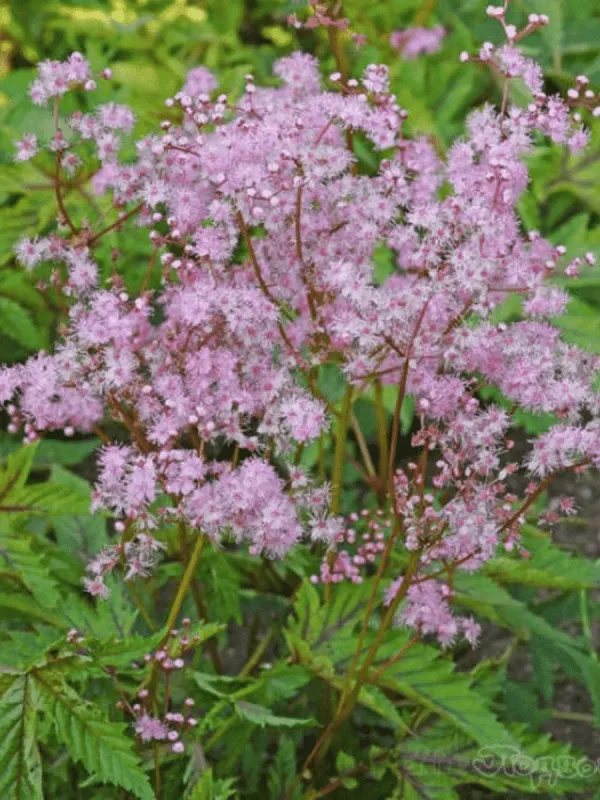
Description
Sowing dates
Filipendula purpurea, commonly known as Japanese meadowsweet, belongs to the Rosaceae family. It is best propagated through seeds or by division of the rhizome in early spring or late autumn.
Seed sowing requires cold stratification for several weeks to break dormancy, ensuring a high germination rate in the spring season when temperatures stabilize.
When propagating by division, ensure that each section of the root clump contains multiple growth buds to promote rapid establishment in the new location.
Planting depth should be minimal, barely covering the seeds with a fine layer of moist soil. Keep the seedbed consistently damp throughout the germination period.
Once seedlings are large enough to handle, they can be transplanted into small pots to develop a strong root system before being moved to the garden bed.
Growing requirements
This perennial thrives in moist, fertile soils rich in organic matter. It prefers a position in full sun or light shade, provided the soil never dries out completely.
In hot climates, regular irrigation is mandatory to prevent leaf scorch. Applying mulch around the base of the plant helps retain soil moisture effectively.
The plant performs best in neutral to slightly acidic soils. Incorporating well-rotted compost during the planting phase ensures optimal growth and long-term health.
Filipendula purpurea is known for its hardiness, but it benefits from protection against strong drying winds which can damage its broad, textured foliage.
Providing enough space between individual plants encourages good airflow, which is critical for reducing the risk of fungal outbreaks during humid summers.
Main diseases and pests
Powdery mildew is the most significant threat, particularly in crowded conditions with high humidity, appearing as white patches on the foliage.
Aphids can infest the tender new growth during spring. Early detection and treatment with mild soap solutions or horticultural oils can prevent widespread infestation.
Root rot occurs if the plant is situated in waterlogged soil with inadequate drainage. Always ensure the planting site is properly amended for drainage.
Leaf spots may develop during periods of prolonged rainfall. Removing affected leaves immediately can help contain the spread of the pathogen.
Maintaining a clean garden bed by removing leaf debris in the autumn prevents pathogens from overwintering and re-infecting the plant the following season.
Harvesting
The harvest of flowering stems for floral arrangements is best done when the blooms are fully developed but not yet beginning to fade.
For herbal or medicinal use, leaves and stems should be gathered on a dry day, then dried quickly in a cool, dark, and well-ventilated space.
After the first heavy frost in autumn, the entire above-ground growth will turn brown and should be cut back close to the ground level.
Pruning is essential for plant hygiene, as it eliminates old stems that could harbor pests or spores during the winter months.
Applying a light top-dressing of organic mulch after pruning helps protect the dormant crown from extreme temperature fluctuations during the coldest winter weeks.