
Queen of the prairie
Filipendula rubra
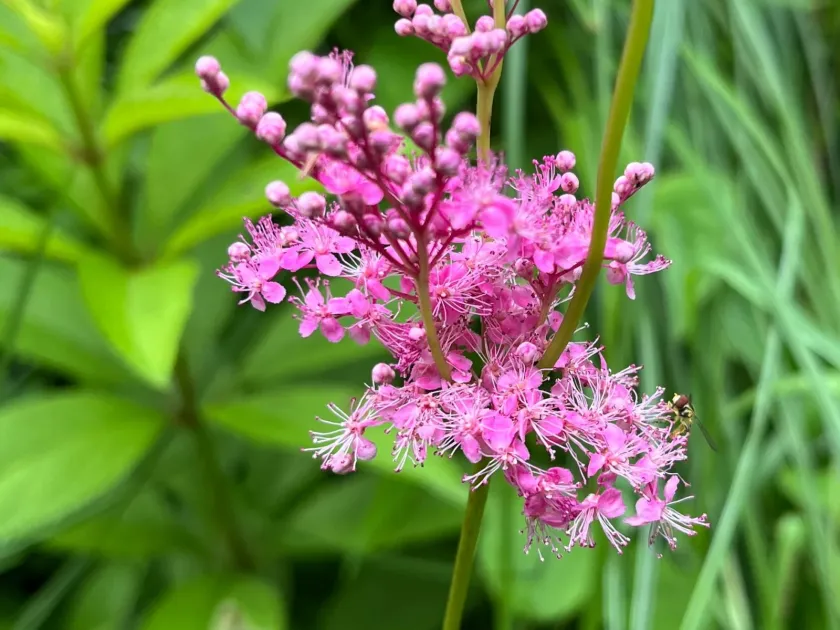
Description
Sowing dates
Queen of the prairie (Filipendula rubra) is a robust perennial that can be propagated through seeds or by division of the rhizomes in early spring.
For best results, seeds should be sown in autumn to allow for natural cold stratification during the winter months, ensuring higher germination rates.
If sowing in the spring, it is essential to stratify the seeds in a controlled cold environment for approximately 60 days before planting them into the substrate.
Seeds should be covered only lightly with soil, as they require light to germinate efficiently; maintaining constant surface moisture is critical during the initial phase.
When transplanting divisions, ensure the root system is kept moist and plant them at the same depth as the parent plant to avoid dehydration of the crown.
Growing requirements
This species belongs to the Rosaceae family and is native to North American prairies and wetlands, which dictates its preference for consistently moist environments.
The plant thrives in rich, loamy, and moisture-retentive soils with a neutral to slightly acidic pH, avoiding sandy or quickly draining sites.
It is remarkably cold-hardy, capable of surviving harsh winters in temperate zones due to its deep and aggressive root system.
While Queen of the prairie can tolerate full sun, it performs significantly better in partial shade where the soil temperature is moderated and evaporation is slower.
Regular irrigation is the most important cultural practice; the soil must not be allowed to dry out completely during the active growing season.
Main diseases and pests
Powdery mildew is the most prevalent disease, especially in dense plantings with poor airflow or during periods of high humidity and heat.
Pests such as aphids and spider mites can infest the foliage, particularly if the plant is under water stress or in a suboptimal location.
Root rot is a significant risk in areas with standing water or inadequate soil drainage, leading to quick decline of the perennial clump.
Integrated pest management, including regular inspection and early intervention, is necessary to maintain the health and vigor of the garden beds.
Preventative thinning of overcrowded clumps helps to improve air circulation, significantly reducing the pressure from fungal pathogens.
Harvesting
The harvest of the characteristic pink, plume-like flower heads occurs during the peak of summer, when the inflorescences are fully expanded.
Harvested material should be dried in a dark, well-ventilated area to maintain its structural integrity and ornamental color for future use.
Deadheading the spent flower stalks is recommended to keep the plant tidy and prevent the plant from wasting energy on seed production.
At the end of the growing season, the foliage should be cut back to the ground once the leaves have naturally senesced and turned brown.
Proper pruning provides the plant with the necessary winter protection, ensuring that the rhizomes survive to initiate growth in the following spring.