
Filipendula vulgaris
Filipendula vulgaris
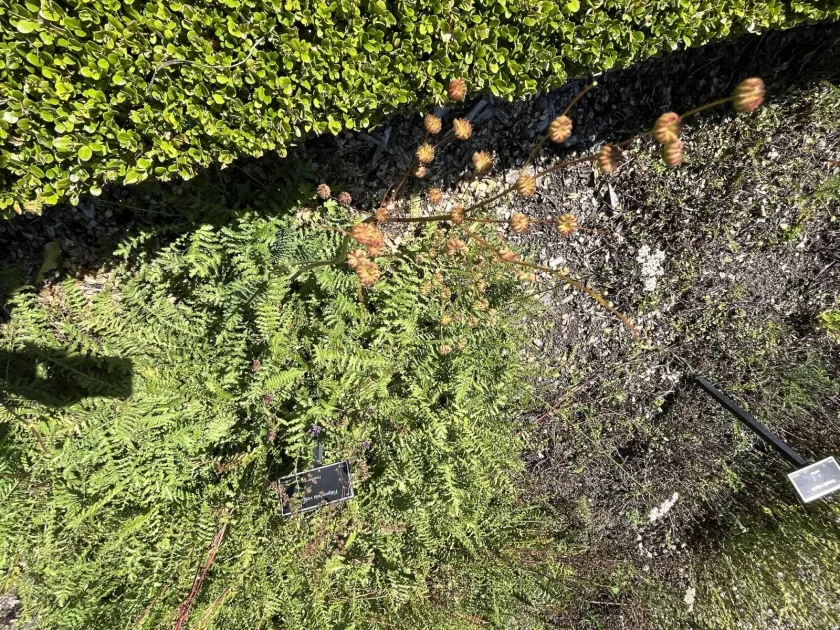
Description
Sowing dates
Filipendula vulgaris, commonly known as dropwort, is a herbaceous perennial belonging to the Rosaceae family. It is typically propagated either by sowing seeds or by dividing mature root clumps.
Seeds require a cold stratification period to break dormancy. Sowing directly into the soil in late autumn is the most effective method, as it mimics natural winter cycles, leading to uniform germination in spring.
For spring sowing, seeds must be stratified in a refrigerator for at least two months. They should be sown in a light, well-draining substrate at a depth of approximately 0.5 to 1 cm.
Division of the root system is best performed during the plant's dormancy phase, either in early spring or mid-autumn. Each root division must contain several tuberous roots and healthy buds to ensure successful establishment.
The plant grows slowly during its first year, so maintaining appropriate spacing—ideally 30 to 40 cm between plants—is essential to prevent competition for light and soil nutrients.
Growing requirements
Dropwort thrives in open, sunny environments but displays good tolerance for partial shade. In its natural habitat, it is frequently found on well-drained grasslands, limestone outcrops, and hedgerows.
Soil requirements for Filipendula vulgaris include preference for neutral to slightly alkaline conditions. The soil must be fertile, rich in organic matter, and, most importantly, provide excellent drainage.
The species is highly resilient, possessing significant drought tolerance once established. It withstands harsh winter temperatures, making it a reliable perennial for various climate zones in the temperate region.
Adequate soil aeration is vital for the health of the tuberous roots. Adding sand or grit to heavier soil types is strongly recommended to prevent waterlogging and subsequent root decay.
Regular mulching around the base of the plant is recommended, especially in younger stages, to conserve soil moisture and effectively suppress the growth of competitive invasive weeds.
Yield
The primary agricultural use of dropwort is the production of herbal raw materials. Both the root systems, known for their salicylic compounds, and the aerial parts are harvested for medicinal purposes.
Optimal yield is usually achieved from the second year onwards when the plant has developed a strong root network. The roots are the most valuable part, often collected after the foliage begins to wither.
Under managed conditions with regular care and proper weed control, commercial plantations can yield approximately 2 tons of dry raw material per hectare. Efficiency depends on harvest timing.
In addition to medicinal uses, the plant is a significant nectar source, making it highly suitable for integration into bee-keeping operations and biodiversity-focused agricultural projects.
Selective harvesting practices allow for the sustained use of the same plantation area for several years, ensuring that young growth is always available to replace the harvested mature specimens.
Main diseases and pests
Filipendula vulgaris is generally robust, but high humidity levels can lead to fungal infections, particularly powdery mildew, which appears as a white film on the leaves and impedes photosynthesis.
Pests like aphids may occasionally infest young shoots during early spring growth. Integrated pest management, including the use of beneficial insects, is generally sufficient to maintain low population levels.
Root rot caused by persistent waterlogging is the most critical threat to the crop. Proper site selection and careful monitoring of drainage are essential preventative measures to ensure plant health.
Weeds are the primary competition for resources during the early establishment phase. Hand-weeding or mechanical cultivation in the rows is necessary to prevent the crop from being choked out.
While the plant is rarely bothered by burrowing mammals, maintaining a healthy, fast-growing crop is the best defense against localized damage to the root tuber systems.
Harvesting
The harvest of the medicinal root material takes place in autumn, as the plant enters dormancy and nutrients migrate from the stems down into the tuberous root system.
Roots are lifted carefully, cleaned thoroughly of soil, and trimmed of all aerial foliage. Immediate washing is necessary to prevent dirt from hardening on the tubers, which simplifies processing.
Drying must be conducted in controlled, well-ventilated conditions at temperatures not exceeding 45 degrees Celsius to prevent the degradation of heat-sensitive active medicinal compounds.
Once fully dehydrated, the raw material should be processed, sorted, and stored in opaque, moisture-proof packaging to maintain its quality and potency for up to three years.
If aerial parts are harvested, they should be gathered during peak flowering. They must be dried in shaded, airy rooms to preserve the essential oils and structural integrity of the plant material.