
Meadowsweet
Filipendula ulmaria
Description
Sowing dates
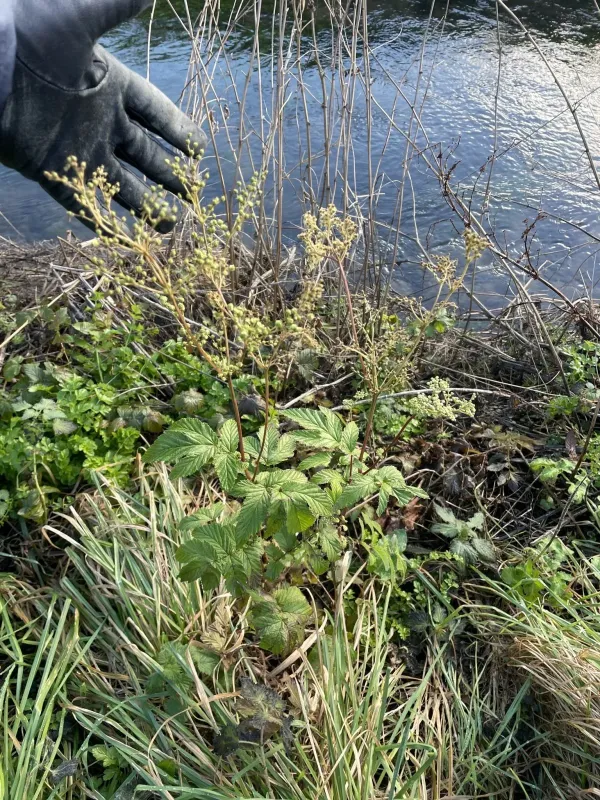
Meadowsweet (Filipendula ulmaria) is a perennial herbaceous plant belonging to the Rosaceae family. It is a moisture-loving species naturally found in meadows and wetlands.
Propagation is primarily done via seeds, which require a cold stratification period of at least two months to ensure uniform germination in the spring.
Sowing should be performed in well-draining yet moisture-retentive soil. Seeds are very fine, so they should be broadcast on the surface and pressed lightly.
Direct outdoor sowing is best done in autumn, allowing the natural winter cycle to break seed dormancy and initiate the germination process by spring.
Once established, the plant spreads through a creeping rhizome system, which is also an effective method for vegetative division and large-scale propagation.
Growing requirements
This crop thrives in damp, fertile soils. It is highly suited for riparian areas or low-lying sections of the farm where moisture levels remain consistently high.
The plant performs best in neutral to slightly acidic soils. If the soil is too acidic, applying lime is necessary to optimize the growth conditions for this species.
Meadowsweet is relatively hardy regarding light requirements; while it prefers sunny locations, it can tolerate partial shade, provided the soil remains moist.
Maintaining high humidity levels around the root zone is crucial for the plant's health. During dry summer spells, irrigation systems are vital for sustained growth.
The plant is highly frost-tolerant and dormant through winter, making it an excellent candidate for temperate zones without complex winter protection needs.
Yield
The economic value of Meadowsweet lies in its flowers and foliage, which are rich in salicylic acid compounds, tannins, and essential oils.
Commercial yields are optimized when plants are grown in rows spaced 50 cm apart, allowing for mechanical weed control and ease of harvest.
Properly managed fields can produce several tons of dry biomass per hectare, depending on the irrigation infrastructure and soil fertility management.
The harvest cycle typically matures by the third year of growth, at which point the density of the root system provides a stable yield for multiple seasons.
Value-added processing often includes the extraction of essential oils and the production of herbal extracts for the pharmaceutical and cosmetic industries.
Main diseases and pests
Powdery mildew is the most common fungal issue, particularly during humid weather and in fields with inadequate air circulation between the plants.
Root rot can occur if the soil is poorly drained and prone to persistent waterlogging, which weakens the plant’s defenses against soil-borne pathogens.
Aphids often target the tender shoots and flower buds, potentially reducing the overall quality of the harvested botanical material if left untreated.
Preventive measures include maintaining proper row spacing and ensuring the harvest occurs before the peak of pest activity in the summer months.
- Prevention: Ensure good airflow between plants.
- Monitoring: Scout for insect clusters on new growth.
- Treatment: Apply biological soaps or oil-based controls.
Harvesting
The aerial parts of the plant should be harvested at the onset of full flowering, when the concentration of the active ingredients is at its absolute peak.
Drying must be conducted in dark, well-ventilated rooms or controlled-atmosphere dryers, keeping the temperature below 40 degrees Celsius to preserve volatile oils.
Rhizomes are harvested late in the season, once the aerial parts have withered, as this is when the stored nutrients are concentrated in the roots.
After excavation, roots must be washed thoroughly to remove all soil particles before being sliced and dried at low heat to prevent mold development.
Proper storage is essential; dried material should be kept in airtight, opaque containers in a cool environment to maintain its chemical potency for longer periods.