
Filipendula vestita
Filipendula vestita
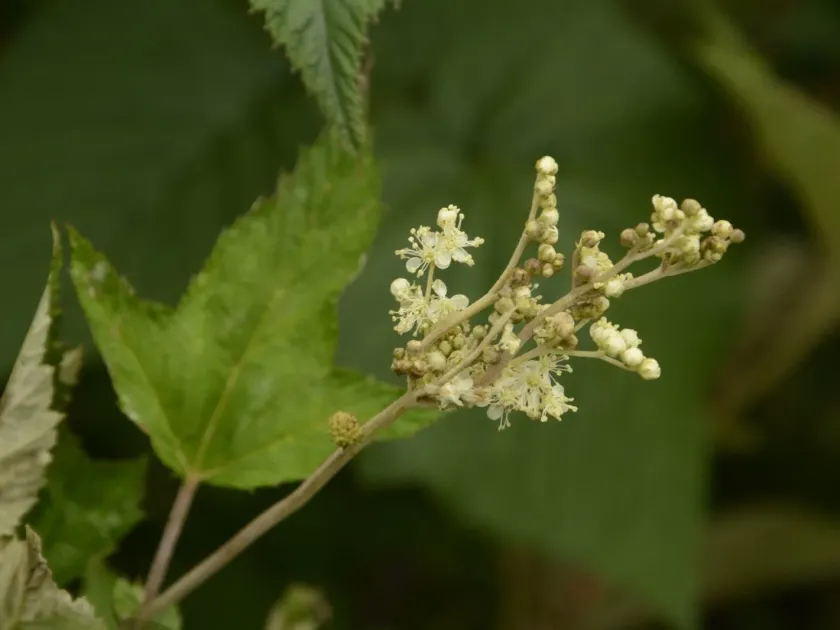
Description
Growing requirements
Filipendula vestita is a perennial herbaceous plant belonging to the Rosaceae family. It is distinctively known for the dense, velvety pubescence on the underside of its leaves, which is a characteristic feature that differentiates it from other related species within the genus.
The species originates from the mountainous regions of the Himalayas. Due to its alpine heritage, it is well-adapted to temperate climates that offer consistent moisture and cool temperatures throughout the active growing season.
In terms of cultivation, the plant requires deep, fertile soils that are rich in organic matter. While it thrives in moist environments, it is imperative to provide good soil drainage to prevent root asphyxiation, particularly during the dormant season when moisture can accumulate.
The agronomic profile of Filipendula vestita emphasizes its need for partial shade or protection from intense mid-day sun, which can cause leaf scorch in younger specimens. It develops a robust root system and vigorous vegetative growth when conditions are optimized.
Economically, this plant is valued for its potential pharmaceutical properties and its ornamental appeal in landscaping, particularly in woodland gardens or near natural water features where soil moisture is naturally preserved.
Main diseases and pests
The primary pathological threats to Filipendula vestita include powdery mildew, which often appears in conditions of high humidity combined with poor air circulation around the plants, leading to weakened foliage.
Common agricultural pests such as aphids and spider mites frequently target the plant, feeding on the tender young leaves and buds. This can stunt growth and negatively impact the aesthetic quality of the crop.
Root rot, typically caused by pathogens like Pythium or Phytophthora, is a significant risk in poorly drained soils. Managing moisture levels is the most effective cultural strategy to mitigate these soil-borne diseases.
Integrated Pest Management (IPM) practices are recommended to keep pest populations below economic thresholds. This includes physical removal of infested plant parts and the use of insecticidal soaps where appropriate.
Regular maintenance, including the removal of dead or diseased biomass at the end of the season, is essential for reducing the inoculum pressure of pathogens for the subsequent year.