
Kamchatka meadowsweet
Filipendula kamtschatica
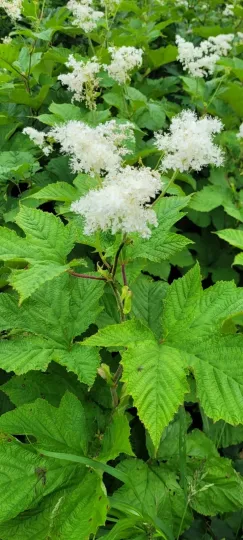
Description
Sowing dates
Kamchatka meadowsweet (Filipendula kamtschatica) is typically propagated by seeds or through the division of rhizomes. Seeds require a prolonged period of cold stratification to break dormancy, making late autumn sowing the most effective method for natural germination.
For spring planting, seeds must be artificially stratified in a cool environment, such as a refrigerator, for at least two to three months. Proper moisture levels during the germination phase are crucial for the establishment of young seedlings.
Vegetative propagation using root cuttings is highly recommended for commercial scale production. Dividing mature plants in spring or early autumn ensures faster growth and consistent development of the next generation of plants.
When transplanting, maintain a spacing of 50 to 60 centimeters between plants. Providing this space is essential for the crop to reach its full height of two meters and to ensure sufficient light penetration to the base of the plant.
Newly planted sections should be monitored for weed competition. Regular weeding during the first season is necessary, as the young meadowsweet plants establish their root systems slowly compared to aggressive opportunistic weeds.
Growing requirements
As a member of the Rosaceae family, Kamchatka meadowsweet thrives in environments with high humidity and fertile soils. It is naturally found in river valleys, meadows, and forest clearings, indicating a strong preference for consistent water availability.
The ideal soil for this crop is deep, nutrient-rich, and loamy with a neutral to slightly acidic pH. While it is adaptable, the plant yields significantly more biomass when grown in soils supplemented with organic matter like compost or well-rotted manure.
The plant demonstrates good tolerance for partial shade, though it performs best in open locations where sunlight can reach all sides of the foliage. Adequate airflow is vital to maintain plant health and prevent the development of fungal pathogens.
Temperature resilience is a key strength of Filipendula kamtschatica, as it is native to cold-climate regions. The rhizomes remain viable even in frozen soil, making it a reliable perennial for northern agricultural zones.
Crop management should focus on maintaining soil moisture during the peak summer months. If the site is prone to drying out, an automated irrigation system or manual mulching will help preserve the necessary soil water content.
Yield
Kamchatka meadowsweet is highly regarded for its significant biomass yield. In optimal conditions, it can produce large amounts of green fodder, making it an excellent candidate for local livestock feeding programs.
The plant is used to create nutrient-dense silage. When harvested at the beginning of the blooming stage, the material contains high concentrations of proteins and carbohydrates, which are essential for animal health and milk production.
Beyond its use as fodder, the crop is valued for its pharmacological properties. The plant is rich in flavonoids and salicylates, making it a useful raw material for the production of herbal supplements and natural medicinal products.
It also serves as an excellent honey plant. During the flowering period, the large, cream-colored inflorescences attract numerous pollinators, providing a significant boost to local bee populations and honey production.
Consistent annual yields can be sustained for over a decade if the soil fertility is managed properly. Harvesting practices should focus on maintaining plant vigor to ensure long-term productivity of the plantation.
Main diseases and pests
Due to the presence of natural phytochemicals, Kamchatka meadowsweet is generally resistant to many pests and diseases. However, high-density plantations in humid environments can be susceptible to powdery mildew.
Rust diseases may occasionally appear on the leaves during seasons with high humidity and stagnant air. Good agricultural hygiene, such as removing debris and thinning out dense patches, effectively minimizes these risks.
Sap-sucking insects like aphids can sometimes colonize young shoots during warm, dry spells. Biological control methods, such as encouraging natural predators, are preferred over chemical pesticides to maintain the crop's organic status.
Root rot is rarely an issue unless the soil has poor drainage. Ensuring that the site is not prone to waterlogging prevents the buildup of pathogens that could compromise the root system of the perennial plants.
Monitoring for signs of pest pressure at the start of the growth phase allows for timely intervention. Maintaining a healthy, balanced soil ecosystem is the best defense against potential threats to the crop.
Harvesting
For fodder production, the crop should be harvested using mechanical mowers before the stems become too fibrous. This ensures that the silage maintains high nutritional value and is easily consumed by livestock.
Medicinal raw materials, such as foliage and flowers, are harvested in dry weather to prevent degradation. Rapid drying in well-ventilated areas at low temperatures preserves the potency of the medicinal compounds.
Rhizomes intended for extraction should be harvested in late autumn after the foliage dies back. This is when the plant's stored nutrients are most concentrated in the root system, resulting in higher quality extracts.
Post-harvest storage requires cool, dark, and dry conditions to maintain product shelf-life. Proper packaging prevents moisture accumulation and protects the dried material from insects or mold growth.
Following harvest, a light application of organic fertilizer helps the plants recover and prepare for the next growth cycle. This sustainable approach to harvesting ensures the long-term success of the cultivation project.