
Filipendula glaberrima
Filipendula glaberrima
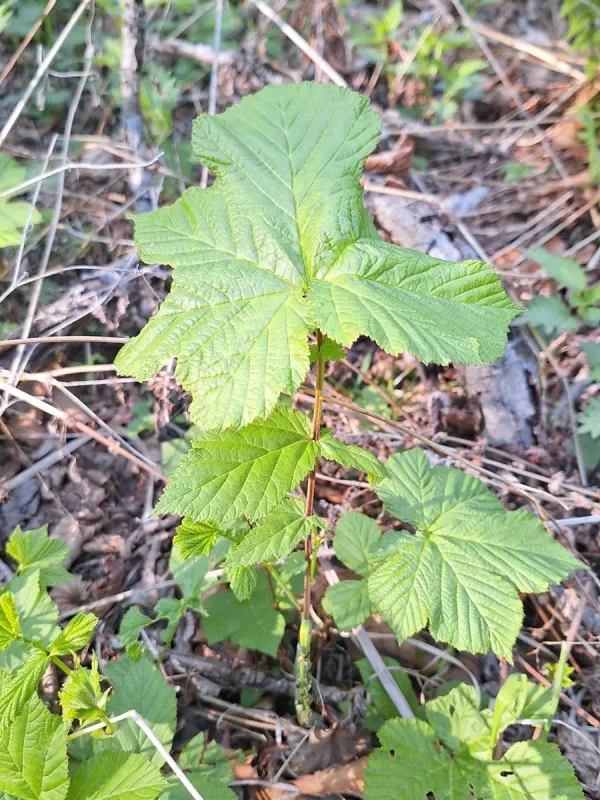
Description
Sowing dates
Sowing seeds of Filipendula glaberrima is best performed in late autumn, as the seeds require a period of cold stratification to break dormancy.
If spring planting is planned, seeds must be kept in cold storage at temperatures ranging from 2 to 4 degrees Celsius for at least two months before sowing.
The planting depth should be shallow, approximately 1 to 2 centimeters, ensuring the soil remains consistently moist throughout the germination phase.
Vegetative propagation via rhizome division is a highly effective method, which should be done in early spring as soon as the soil becomes workable.
Space the divisions at least 50 centimeters apart to prevent competition for nutrients and to allow the foliage enough space to expand naturally.
Growing requirements
This perennial, belonging to the Rosaceae family, thrives in fertile, loamy soils that possess high moisture retention capabilities and organic matter.
It prefers semi-shaded environments where it can benefit from consistent soil moisture, which is essential for its lush growth and development.
Filipendula glaberrima is renowned for its cold hardiness, making it suitable for regions experiencing harsh winters and variable temperature fluctuations.
Adequate irrigation is crucial during the active growing season, especially during dry spells, to maintain the plant's health and biomass production.
Fertilization with nitrogen-rich compounds during the early spring helps boost vegetative growth, resulting in larger leaves and healthier flower stalks.
Main diseases and pests
Powdery mildew is a common fungal threat, particularly in locations with poor air circulation or high humidity levels during the peak growing season.
Pests such as aphids and spider mites can infest the foliage, potentially leading to stunted growth if not addressed with timely, mild control measures.
Root rot is a significant risk in waterlogged soils, making proper site selection and drainage management a priority for successful commercial farming.
Monitoring for signs of leaf spots is recommended to prevent widespread infection, as these pathogens can easily spread in densely packed plantation rows.
Implementing a regular weed control program is vital, as weeds can host pests and compete for essential sunlight and soil nutrients required by the crop.
Harvesting
Rhizomes should be harvested in late autumn after the foliage has died back, as this is when the plant's resources are stored in the roots.
The flowering tops are collected during the peak of the bloom cycle to maximize the harvest of secondary metabolites and medicinal compounds.
Proper post-harvest handling involves cleaning the plant material thoroughly to remove soil and debris before initiating the drying process immediately.
Drying must be conducted in well-ventilated, shady areas at low temperatures to ensure the preservation of delicate oils and therapeutic properties.
Final storage should be in airtight, light-proof containers kept in a cool and dry location to ensure long-term shelf stability of the dried product.