
Asian snakewood
Colubrina asiatica
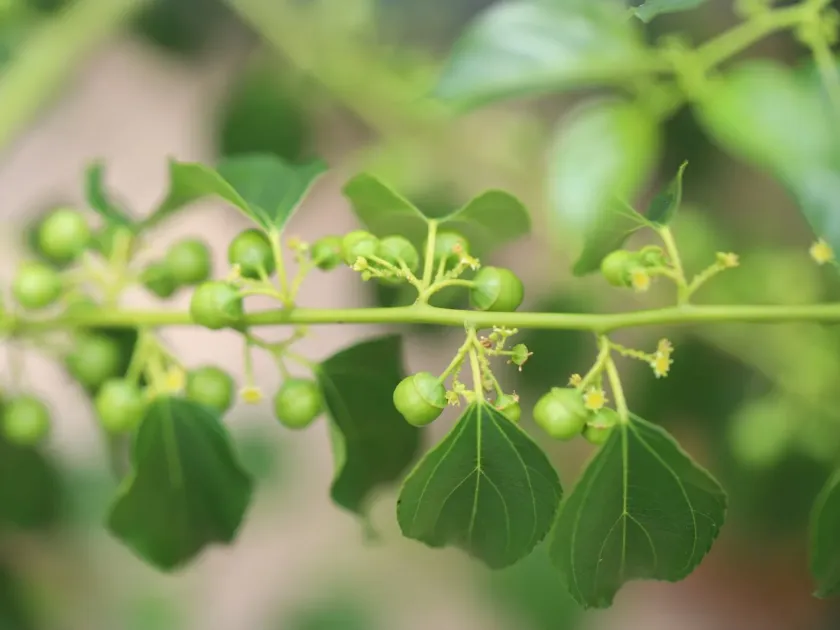
Description
Growing requirements
Asian snakewood (Colubrina asiatica) is a perennial shrub or small tree belonging to the Rhamnaceae family. Naturally found in coastal environments throughout the tropics, it is highly valued for its ability to thrive in sandy, saline soils near the ocean.
The plant requires a strictly tropical climate to prosper, characterized by consistent warmth and high humidity. It cannot survive frost, which restricts its cultivation to equatorial and tropical zones where temperatures remain stable throughout the year.
Soil requirements are relatively modest, as the species is adapted to nutrient-poor, well-draining sandy substrates. While it shows tolerance to drought, maximum growth rates are achieved in environments with regular water access and high sun exposure.
Agricultural management involves careful spacing and pruning to control its vigorous, spreading growth habit. Because of its aggressive nature and tendency to form dense thickets, growers must manage the perimeter of the planting area to prevent ecological imbalance.
Economically, Asian snakewood is utilized for its durable timber, which is often crafted into small tools or traditional household items. Furthermore, various parts of the shrub are studied for their potential medicinal properties, particularly in treating skin conditions and inflammatory processes.
Main diseases and pests
Fungal pathogens represent the most significant threat, especially under conditions of poor airflow or excessive rainfall. Managing plant density and ensuring proper drainage are the most effective preventative measures against root rot and foliage disease.
Common pests include aphids and whiteflies, which target the soft, emerging growth of the plant. Monitoring and the introduction of natural predators are standard practices to keep pest populations at a manageable level without disrupting the local ecosystem.