
Colubrina reclinata
Colubrina reclinata
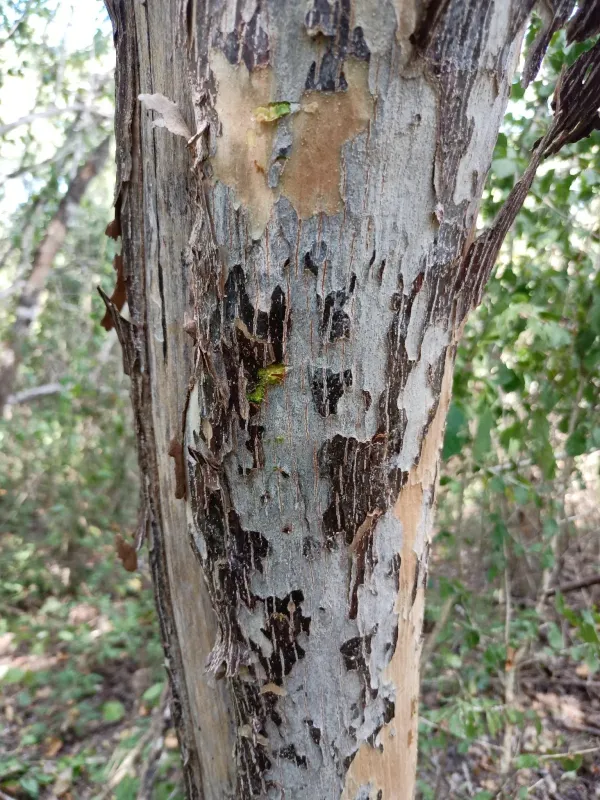
Description
Growing requirements
Colubrina reclinata, commonly known as nakedwood, belongs to the Rhamnaceae family. This species is native to tropical regions, including parts of the Caribbean and Florida, thriving in diverse ecological niches.
The plant demonstrates remarkable tolerance for various soil types, ranging from limestone outcrops to sandy substrates. Proper drainage is the primary requirement for healthy root development and biomass accumulation.
It prefers full sun exposure to maintain high growth rates. As a strictly tropical species, it is highly susceptible to frost damage, necessitating protection in areas prone to sudden temperature drops.
Agronomic practices for this tree involve minimal irrigation after the establishment phase. It is highly drought-tolerant, making it an excellent candidate for low-maintenance forestry in arid tropical climates.
Plantation management typically includes spacing trees at sufficient intervals to ensure adequate canopy expansion and light penetration for optimal photosynthesis.
Harvesting
The primary economic use of Colubrina reclinata is its timber. The wood is exceptionally hard and durable, which has historically earned the tree its common name 'nakedwood' due to the bark-shedding appearance of some relatives.
Timber from this species is highly valued in cabinetry and high-end woodturning. Its aesthetic properties and structural integrity make it a preferred material for artisanal projects.
Sustainability is key to harvesting strategies. Selective logging is recommended to allow the forest floor to recover and to promote natural regeneration of the species within the ecosystem.
While the timber is the main product, the species also plays a significant role in landscape restoration and soil stabilization projects due to its deep and resilient root system.
Research continues into the potential pharmacological applications of the plant's extracts, which could provide additional value for growers interested in diversified agricultural production.