
Colubrina glandulosa
Colubrina glandulosa
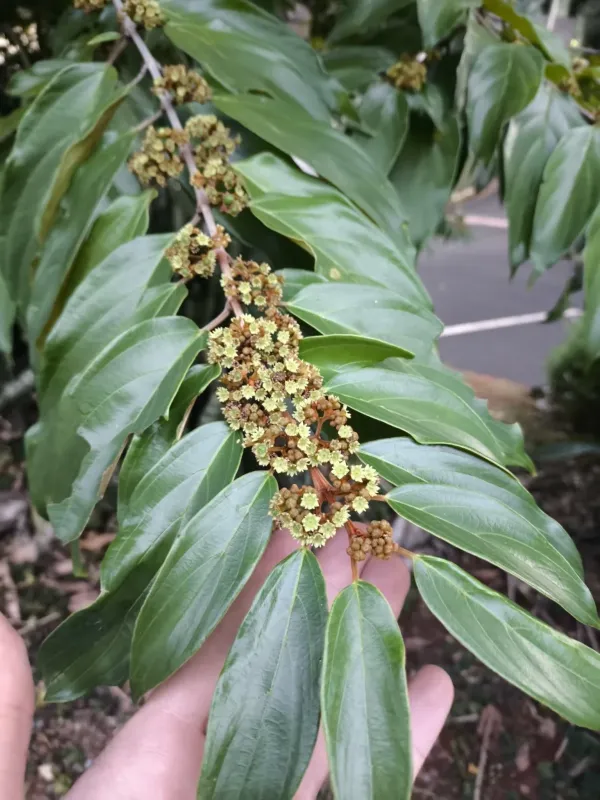
Description
Growing requirements
Colubrina glandulosa is a notable tree species within the Rhamnaceae family, native to tropical and subtropical regions of the Americas. It is recognized for its robust growth habit and significant ecological role in its natural habitat.
The plant thrives in well-drained soil environments. It demonstrates remarkable adaptability to various soil types, including those considered marginal, provided there is adequate aeration to support the root system.
Climatic requirements are strictly tropical, as the species requires consistent warmth and protection from frost. It is typically found in secondary forests and open areas where full sun exposure promotes maximum photosynthetic activity.
Botanically, it is distinguished by the presence of glandular structures on its foliage, which is a key identification feature. The tree often develops a strong trunk and dense canopy, providing substantial biomass production.
Regarding its utility, the species is valued in agroforestry for its durable wood, which is utilized in local construction and joinery. Furthermore, it serves as an excellent candidate for land reclamation projects due to its ability to stabilize degraded soils.
Main diseases and pests
The health of Colubrina glandulosa can be compromised by various fungal pathogens that flourish in high-humidity conditions, particularly if the soil remains waterlogged for extended periods.
Insect pests represent another significant challenge, with leaf-eating beetles and weevils often causing damage to foliage, which slows down the developmental rate of young trees in nursery settings.
Root rot, induced by improper water management, is perhaps the most critical threat to plantation success. Preventing stagnant water around the root zone is essential for maintaining tree vigor.
Integrated pest management strategies are recommended, focusing on maintaining tree health through appropriate spacing and thinning, which ensures sufficient airflow through the canopy and reduces disease transmission.
Monitoring for signs of nutrient deficiency or physical damage is necessary during the establishment phase to ensure that young saplings reach maturity without severe setbacks from common agricultural threats.