
Colubrina elliptica
Colubrina elliptica
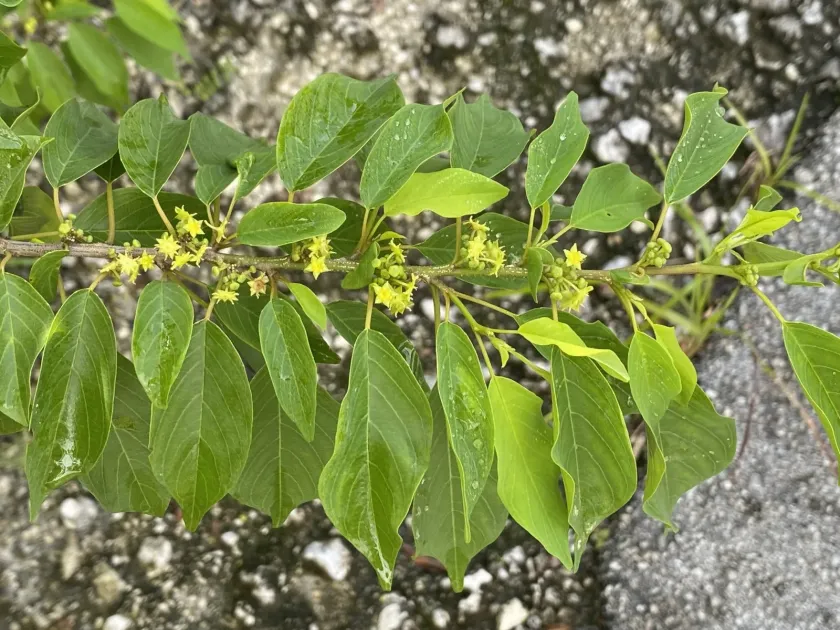
Description
Growing requirements
Colubrina elliptica, commonly known as soldierwood, is a species of flowering plant in the buckthorn family, Rhamnaceae. It typically grows as a small tree or large shrub in its natural range.
The plant is native to the Caribbean, Florida, and parts of Central America. It thrives in tropical climates characterized by year-round warmth and distinct dry or wet seasons, demonstrating high resilience.
Regarding soil requirements, it prefers well-drained limestone or sandy substrates. Its natural adaptation to coastal regions makes it highly tolerant of salt spray and varying soil moisture levels.
Sunlight exposure is essential for this species. It should be planted in full sun to partial shade locations, ensuring that the plant receives at least six hours of direct sunlight daily for optimal development.
Cultivation practices involve maintaining a clear space around the root zone and providing moderate irrigation during the establishment phase. Once mature, the plant shows good drought resistance.
Main diseases and pests
Root rot, induced by waterlogged conditions, remains the primary threat to the health of Colubrina elliptica. Proper site selection and drainage management are the most effective preventive measures.
Foliar diseases, such as leaf spots, may occur in high humidity environments. Ensuring adequate spacing between plants allows for better air circulation and reduces the risk of fungal infections.
Insect pests, including wood-boring beetles and mites, can occasionally compromise the tree structure. Regular inspection and early detection are crucial for managing pest populations effectively.
Nutrient deficiencies manifest as leaf yellowing or stunted growth. A balanced fertilizer applied during the growing season can correct these issues and maintain vigor.
Cold stress is a significant limiting factor in non-tropical zones. Protecting the plants from temperatures below freezing is essential, as the species is not frost-tolerant.
Harvesting
The wood of Colubrina elliptica is highly valued for its hardness and durability. It has been historically used in crafting high-quality furniture, tool handles, and in various construction projects.
The bark of the tree possesses medicinal properties, with local traditions employing extracts from the bark for antiseptic and healing purposes. Harvesting should be done in a sustainable manner.
When harvesting timber, trees are typically selected based on stem diameter and general health. The wood requires proper seasoning in a shaded, well-ventilated area to prevent checking and warping.
In gardening and landscaping, the plant is harvested for its aesthetic appeal. It serves as an excellent privacy screen or hedge plant due to its dense foliage and branching patterns.
Seed collection is another form of harvesting, which is necessary for propagation. Seeds should be gathered when fruits turn their mature color to ensure high germination viability.