
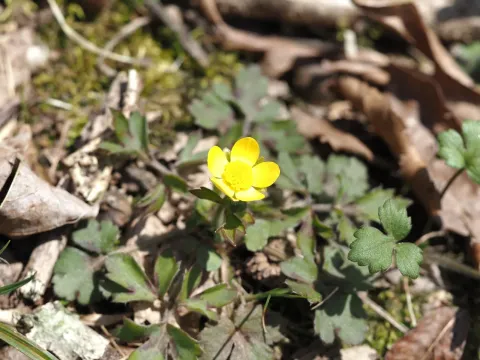
Bristly buttercup
Ranunculus hispidus
The Bristly buttercup (Ranunculus hispidus) is a perennial herbaceous plant belonging to the Ranunculaceae family. It is distinguished by its characteristic bristly hairs on the stems, which provide a distinct texture and protective adaptation for the plant species.
What the section contains
Bristly buttercup
The native habitat of this plant is primarily found in North America, where it thrives in a variety of environments ranging from moist woodlands to open meadows. The species has adapted to survive in diverse ecological niches, showing resilience in shifting environmental conditions.
For successful cultivation, the Bristly buttercup requires well-drained soils rich in organic matter. Soil structure is a significant factor, as the species relies on consistent moisture levels without the risk of waterlogging, which could inhibit root development.
Climate requirements include temperate zones with moderate seasonal variations. The plant is notably hardy, capable of surviving through winter dormancy in regions with significant temperature fluctuations, provided there is adequate soil insulation.
Agrotechnical management involves careful monitoring of soil nutrients and spacing. Proper air circulation around the foliage is essential to prevent physiological stress and maintain optimal plant health throughout the vegetative growth stages.
Major threats to the species include fungal infections such as powdery mildew, which thrive in humid and stagnant air conditions. Preventing these issues requires careful placement in areas with good airflow.
Pests that commonly affect the Bristly buttercup include aphids and various leaf-mining insects. These pests can significantly reduce plant vigor if not managed through routine monitoring and integrated pest management strategies.