
Bertoloni's columbine
Aquilegia bertolonii
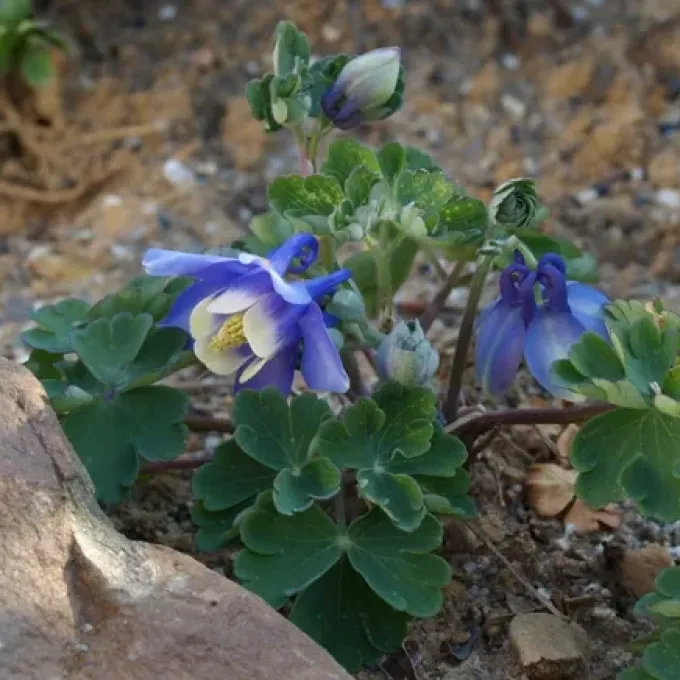
Description
Sowing dates
Sowing seeds of Aquilegia bertolonii is best performed in late autumn for natural stratification in the soil, or in early spring after artificial cold treatment. The seeds require specific temperature cycles to break dormancy and ensure high germination rates.
When starting indoors, use a well-drained, sterile seed-starting mix. Place the seeds on the surface of the soil and press them lightly, as they need exposure to indirect light to germinate successfully during the first few weeks.
Maintain consistent humidity by covering the container with plastic wrap, but ensure adequate ventilation to prevent fungal issues. Once the seedlings emerge, remove the cover to allow the plants to harden off in a brighter location.
Pricking out the seedlings should be done carefully once the first true leaves appear. Transfer them to individual pots to encourage deep root growth, which is essential for the future health of this alpine species when moved outdoors.
Transplanting into the permanent garden site occurs in late spring when the danger of hard frost has passed. Choose a location with appropriate light exposure and soil characteristics to ensure the long-term success of the plants in your rock garden.
Growing requirements
Aquilegia bertolonii is a perennial plant belonging to the Ranunculaceae family, naturally occurring in the alpine regions of the Southern Alps. Its requirements reflect its wild habitat, demanding excellent drainage and rocky or limestone-rich substrates.
The plant thrives in full sun or partial shade, provided it is protected from intense heat. Good air circulation is crucial to prevent foliage diseases, so avoid planting this species in crowded or stagnant areas of the garden.
Soil should be neutral to slightly alkaline, light, and airy. The addition of grit or coarse sand to the planting area mimics the stony slopes of its native range and prevents water from pooling around the crown, which can lead to decay.
Temperature management is generally straightforward as the plant is cold-hardy. However, during the height of summer, mulching the base with small pebbles can help keep the soil temperature lower and prevent excessive moisture evaporation.
Fertilization should be kept to a minimum, as high nutrient levels often cause the plant to produce lush foliage while decreasing flower production. A balanced, slow-release fertilizer applied once in early spring is sufficient for vigorous growth.
Main diseases and pests
Powdery mildew is the most common fungal threat, particularly in humid or stagnant climates. To minimize the risk, ensure sufficient spacing between plants and avoid overhead watering that keeps the leaves wet for extended periods during the day.
Leaf nematodes can cause significant damage to the plant's structure, often resulting in distorted leaves and stunted development. If an infestation is detected, it is recommended to remove and destroy the affected parts or the entire plant to protect neighbors.
Aphids and spider mites are frequent pests during dry, warm spells. Regular inspection of the underside of leaves is necessary to catch infestations early, which can often be managed using insecticidal soaps or neem oil treatments.
Rust diseases may appear as brownish spots on the foliage, eventually spreading if left untreated. Good garden sanitation, including the removal of all dead plant material at the end of the season, significantly reduces the likelihood of reinfection next year.
Root rot is typically an issue caused by poor drainage or overwatering. By prioritizing well-draining soil and monitoring the moisture levels of the substrate, you can prevent the primary environmental causes of root decay in this species.