
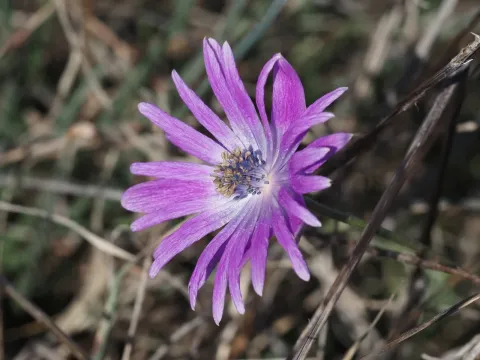
Broad-leaved anemone
Anemone hortensis
Broad-leaved anemone (Anemone hortensis) is a perennial herbaceous plant belonging to the Ranunculaceae family. It is widely cultivated for its ornamental value and is propagated using corms or seeds.
What the section contains
Broad-leaved anemone
Corm planting typically occurs in early spring once the risk of frost has passed. Before planting, it is highly recommended to soak the corms in lukewarm water for several hours to rehydrate them.
When planting, ensure the corms are placed at a depth of about 5–7 cm, with the root-growing side facing downwards, although this can be difficult to distinguish at times.
If propagating by seed, they should be sown fresh or stratified in late autumn to ensure even germination in the spring. Seedlings require careful handling and a stable environment.
The spacing between plants should be approximately 15–20 cm to allow for proper air circulation, which is essential to prevent fungal issues during the growth cycle.
Anemone hortensis thrives in well-drained, fertile soil with a light texture. It is intolerant of waterlogged conditions, which lead to rapid decay of the delicate underground corms.
The ideal location for this culture is partial shade, as the plants prefer cool roots and protection from the harsh, direct afternoon sun, especially in warmer climate zones.
Soil pH levels should ideally be neutral or slightly alkaline. Incorporating organic matter such as leaf mold or well-rotted compost helps improve soil structure and water retention.
The plant requires consistent moisture during the active growing season but should be kept relatively dry during its dormant period to prevent rot.
Mulching is a standard agricultural practice for this species, helping to regulate soil temperature and suppress weeds that might compete for nutrients and moisture.
The plant is susceptible to various fungal pathogens, including downy mildew and botrytis, particularly in seasons with high humidity and poor ventilation within the garden beds.
Pests such as aphids and spider mites can cause significant damage to the foliage, weakening the plant and potentially transmitting viral diseases through their feeding activities.
Nematodes, which attack the roots, remain a serious concern as they can significantly stunt growth and are difficult to eradicate once they have infested a garden plot.
Effective pest and disease management requires early identification, removal of infected plant debris, and the targeted application of appropriate fungicides or insecticides.
Maintaining high hygiene standards in the garden, such as using sterilized tools and crop rotation, helps keep the populations of soil-borne pests under control.