
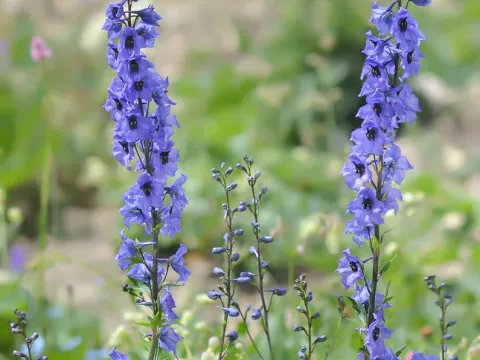
Delphinium megalanthum
Delphinium megalanthum
Delphinium megalanthum, belonging to the Ranunculaceae family, is a perennial flowering crop known for its striking large blue flowers and distinctive growth habit.
What the section contains
Delphinium megalanthum
Seed propagation is the primary method of reproduction; seeds require a period of cold stratification to break dormancy and ensure high germination rates.
Sowing can be performed directly outdoors during the autumn months, allowing the natural winter cycle to trigger the necessary physiological processes in the seeds.
When starting indoors, seeds should be planted in early spring using a sterile peat-based mix, maintaining a consistent temperature of around 15 degrees Celsius.
Transplanting into the field is recommended once the soil has warmed and the danger of severe frost has completely passed in late spring.
This species thrives in sunny locations that provide shelter from strong, prevailing winds, as the tall floral stalks are susceptible to lodging.
It prefers well-drained, moderately fertile soil with a neutral to slightly alkaline pH level to support optimal nutrient uptake and root development.
Consistent soil moisture is essential throughout the growing season, though the plant does not tolerate waterlogged conditions which can lead to crown rot.
Agricultural management involves routine fertilization with balanced NPK fertilizers during the pre-blooming phase to encourage vigorous flower production.
Mulching the soil surface helps to regulate ground temperature and conserve moisture, significantly benefiting the plant during hot summer spells.
Powdery mildew is the most prevalent fungal disease, particularly when high humidity levels coincide with poor ventilation within the crop canopy.
Root and crown rot pathogens can become highly destructive if the field drainage is insufficient, often leading to sudden plant collapse.
Pests such as mites and aphids frequently infest the tender foliage and developing buds, which can lead to stunted growth and poor flowering.
Integrated pest management strategies should be applied to monitor for early signs of infestation, using selective biopesticides where necessary.
Proper spacing between plants is a critical preventative measure, ensuring adequate airflow and reducing the likelihood of humidity-related disease outbreaks.