
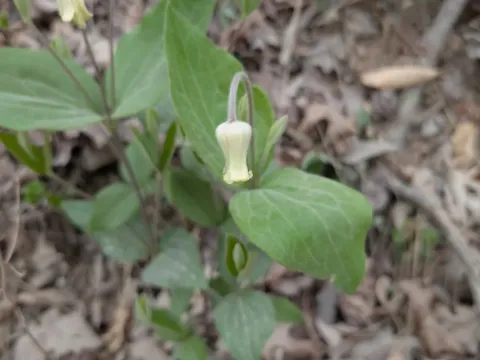
Yellow-haired leather flower
Clematis ochroleuca
The yellow-haired leather flower (Clematis ochroleuca) is a unique herbaceous perennial belonging to the Ranunculaceae family. Unlike many popular clematis species, this plant is not a vine but a sturdy, erect grower that reaches heights of up to 40 centimeters.
What the section contains
Yellow-haired leather flower
Native to North America, this plant is primarily found in prairies and open, dry meadows. It is highly regarded for its distinctive, cream-yellow bell-shaped flowers that bloom in the late spring and early summer seasons.
For successful cultivation, this species requires well-drained, porous soil. It thrives in locations that receive full sun, although it can tolerate light shade in hotter climates to prevent the roots from overheating.
The agrotechnical requirements include maintaining a neutral to slightly alkaline soil pH. While the plant is drought-tolerant once established, it requires regular monitoring during its initial growth phase to ensure proper root development.
This perennial is an excellent choice for rock gardens and naturalistic plantings. Its slow growth rate and compact habit make it a low-maintenance addition to garden landscapes that mimic its natural habitat.
The most significant threat to Clematis ochroleuca is root rot, which typically develops in poorly drained, waterlogged soils. Ensuring an optimal soil structure is the best preventative strategy against this fungal condition.
Powdery mildew can frequently affect the foliage if there is inadequate airflow around the plant. Spacing the plants correctly during the initial planting phase helps minimize the humidity buildup that leads to such infections.
Aphids and spider mites are common pests that feed on the soft tissue of the leaves and stems. Regular inspection during the active growing season allows for early intervention with mild horticultural soaps.
Slugs and snails can cause damage to the tender growth during the rainy spring season. Implementing physical barriers or organic bait can effectively manage these pests without damaging the surrounding ecosystem.
Wilt, a common ailment for many species of Clematis, must be addressed immediately if symptoms appear. Cutting back the affected stems to healthy wood and improving soil aeration can often save the plant from total decline.