
Aquilegia grata
Aquilegia grata
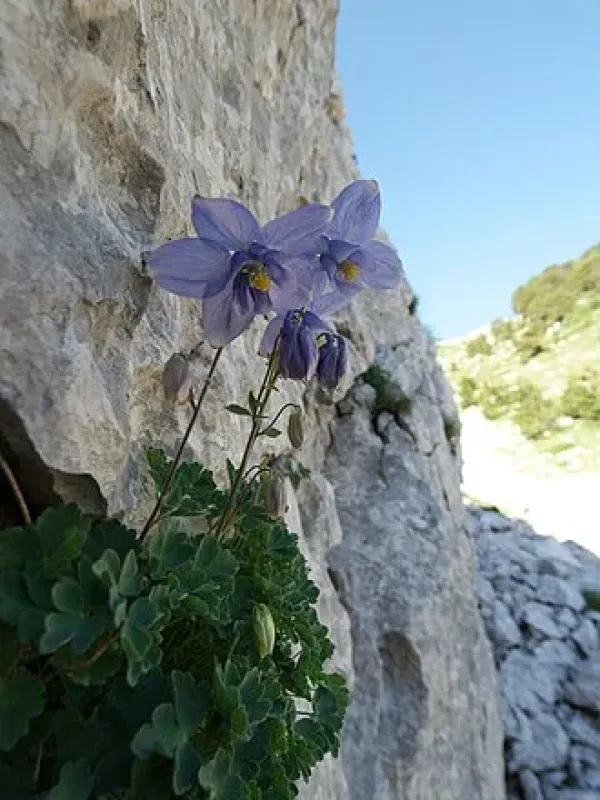
Description
Sowing dates
Seeds of Aquilegia grata should be sown in late autumn or early spring, as they require a stratification period of approximately 3 to 4 weeks to break dormancy.
When sowing in containers, use a light, well-draining potting mix and cover the seeds very thinly with soil, as they need light to germinate successfully.
Maintaining a consistent temperature around 15–18 degrees Celsius is ideal for promoting uniform emergence of the seedlings within the first month of sowing.
Once seedlings have reached the second set of true leaves, they should be carefully pricked out and transplanted into individual pots to develop a strong root system.
Direct outdoor sowing is also possible in areas with mild climates, provided that the soil surface is kept moist and free of competing weeds during germination.
Growing requirements
Aquilegia grata, a member of the Ranunculaceae family, is a perennial plant native to the Balkan Peninsula, naturally thriving in rocky and mountainous terrains.
The plant requires fertile, moisture-retentive, and well-draining soil to prevent root rot, which is the most common cause of plant failure in garden settings.
Partial shade is the optimal environmental condition for this species, as it protects the foliage from intense heat and ensures a longer and more vibrant blooming period.
Although it is cold-hardy, the plant appreciates a layer of organic mulch during winter to protect the crown from extreme temperature fluctuations and excessive moisture.
Regular watering is essential during the growth season, especially when the plant is in full bloom, to support the development of its signature spurred flowers.
Main diseases and pests
Aphids and spider mites are the most frequent pests affecting Aquilegia grata, typically appearing during warm and dry periods when the plant is under stress.
Leaf miners can also cause significant damage by tunneling through the leaf tissues, which manifests as unattractive winding white trails on the surface of the leaves.
Powdery mildew often develops on foliage if the planting site lacks adequate air circulation or if the plants are placed too close to each other in the garden.
In cases of prolonged humidity, gray mold (Botrytis) may affect the stems and flowers, requiring immediate sanitation and removal of affected plant parts.
- Use neem oil for natural pest management.
- Improve air circulation through proper plant spacing.
- Remove infected foliage promptly to prevent spore spread.