
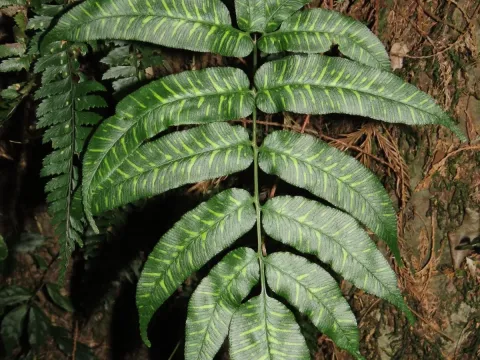
Coniogramme
Coniogramme
Coniogramme is a distinct genus of ferns belonging to the Pteridaceae family, often referred to as bamboo ferns due to the visual appearance of their foliage. These plants are native to tropical and subtropical regions of Asia and Africa, thriving in humid, forested environments.
What the section contains


Coniogramme
Botanically, they are characterized by their creeping rhizomes and distinct fronds that often display unique venation or variegation patterns. This makes them highly prized in the horticultural sector as shade-loving ornamental plants for both interiors and conservatory landscapes.
To cultivate Coniogramme successfully, one must replicate their natural forest-floor habitat. This requires high levels of atmospheric humidity, a consistently moist (but not waterlogged) growing medium, and filtered, indirect light.
The soil should be rich in organic matter, slightly acidic, and highly porous to ensure efficient aeration. Avoid heavy, compact soils, as these can quickly lead to suffocation of the rhizomes and inhibit the overall development of the plant.
General maintenance includes shielding the plants from cold drafts and extreme temperatures, as most species are not frost-hardy. Regular misting or the use of humidifiers is essential to prevent leaf tips from browning and drying out.
Common pests associated with Coniogramme include mealybugs and scale insects, which tend to hide in the junctions between the fronds and the rhizome. Vigilant monitoring is required to prevent major infestations.
Pathogen threats primarily involve fungal root rot and foliar spots. These issues are almost exclusively linked to poor drainage, waterlogging, or overhead irrigation that leaves water sitting on the fronds for extended periods.