
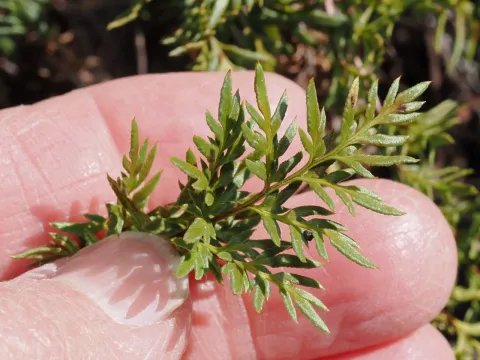
Aspidotis
Aspidotis
Aspidotis is a genus of delicate ferns belonging to the Pteridaceae family. These plants are primarily native to North America, where they have evolved to thrive in rocky environments and crevices, displaying a unique hardiness adapted to their natural habitats where soil moisture is limited and drainage is superior.
What the section contains

Aspidotis
The botanical structure of Aspidotis is characterized by leathery, firm fronds that often exhibit a distinct triangular or pentagonal shape. A key diagnostic feature of the genus is the presence of false indusia, which are essentially the leaf margins that fold over to protect the sporangia during the maturation of the spores.
To cultivate Aspidotis successfully, growers must provide a substrate that mimics its natural rocky environment. A mix containing gravel, coarse sand, or perlite is essential to ensure rapid drainage, as the roots are highly susceptible to rot if subjected to prolonged saturation or anaerobic conditions.
Lighting requirements for this genus include bright, indirect light. Direct exposure to intense sunlight can scorch the leathery fronds, causing aesthetic damage and reducing the overall vigor of the plant. A position in partial shade, such as an east-facing window, is generally considered ideal for healthy growth.
Regarding climate, these ferns prefer moderate temperatures, typically between 18 and 22 degrees Celsius. Maintaining stable conditions with adequate airflow is vital to prevent the accumulation of moisture around the fronds, which can create a breeding ground for various fungal and bacterial pathogens.
Root rot remains the most significant threat to Aspidotis, usually caused by overwatering or poor-draining soil. Gardeners should allow the top layer of the substrate to dry out slightly before the next watering cycle to ensure the health of the rhizomes and root system remains optimal throughout the year.
Pest management is focused on controlling scale insects and mealybugs, which tend to hide on the undersides of the fronds. Regular inspection of the foliage is necessary to detect these pests early, as their feeding activities can significantly weaken the plant if left unchecked for an extended period.
Spider mites represent a risk, particularly in environments with low humidity. If an infestation occurs, it is recommended to increase local humidity and, if necessary, use horticultural soaps to mitigate the issue, being careful to avoid chemical damage to the delicate structures of the fern.
Fungal diseases like powdery mildew may arise if the air circulation is inadequate or if the plant is kept in overly damp conditions. Providing sufficient spacing between plants and ensuring that fronds stay dry during irrigation are key strategies to prevent the onset of such infections.
Cultural practices, such as removing senescent fronds and maintaining proper sanitation in the greenhouse or home environment, are essential for disease prevention. By adhering to these strict agro-technical standards, growers can maintain robust and healthy Aspidotis specimens for years.